We can do this!
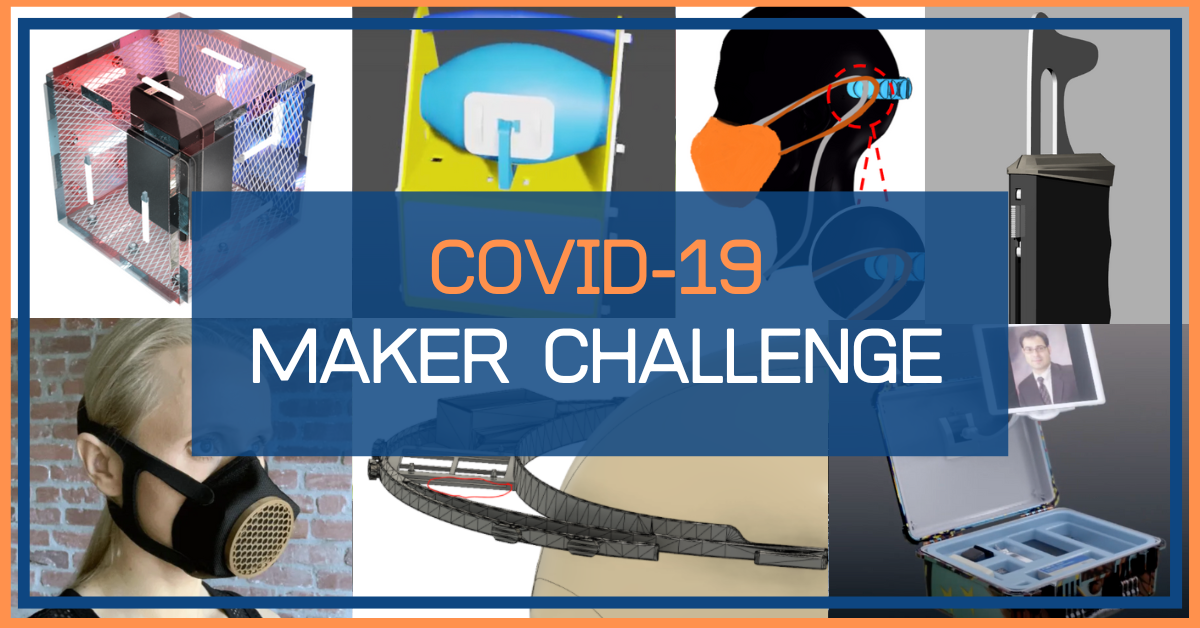
In 2020, Challenge America teamed up with the Veterans Health Administration Innovation Ecosystem to join the fight against COVID-19. We put on five Maker Challenges focused on addressing the immediate needs of different subsets of the essential workforce - first responders, custodial services, nursing home staff, caregivers, and disaster relief workers. Teams of subject matter experts worked directly with these end users to create innovative products designed to help them cope with the challenges of the pandemic.
Our Story
To combat the COVID-19 pandemic, Challenge America and VHA Innovation Ecosystem partnered to develop innovative solutions to the unmet needs of injured Veterans and their families. Through Challenge America: Makers For Veterans (CAMVETS), we have worked with engineers, designers, software programmers, and other subject matter experts to create seventeen working prototype solutions in the last year alone, four of which have earned provisional patents.
At the onset of COVID-19, our always-visionary partner, Danielle Krakora, proposed we adapt our program to meet the needs of essential workers on the frontlines of the pandemic. It was humbling to see so many organizations, companies, and individuals rally to the cause and witness this effort reigniting our CAMVETS program with all new innovations.
Impact
50 Projects
420 Volunteers
150 Organizations represented
-
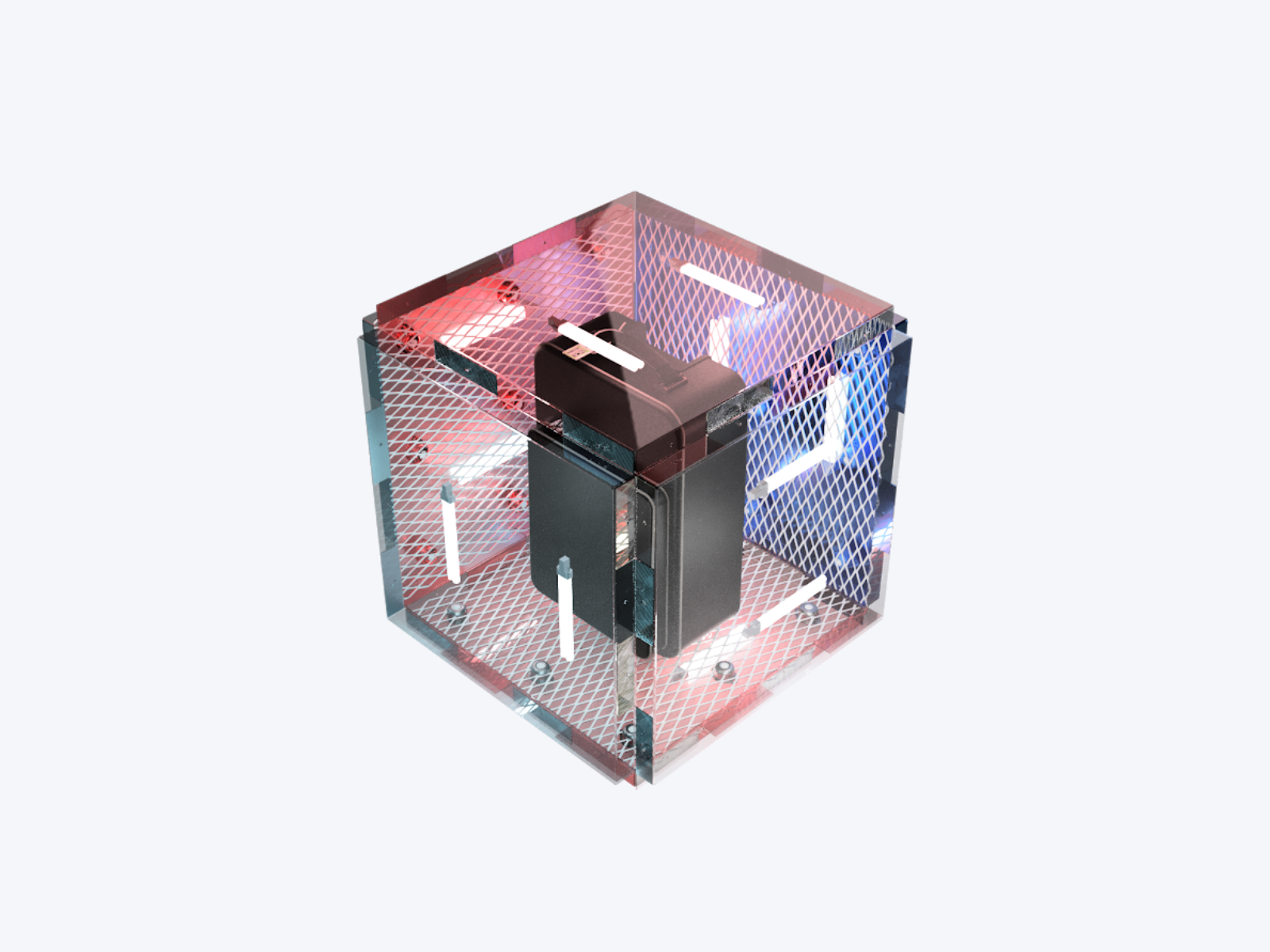
Tessellation Sanitation Station
Rebranded as Team HermTac, this solution earned top marks as the winner of the iEx Design Award. This innovative solution uses concentrated UVC lighting to create a Tessellation Sanitation Station, capable of sanitizing luggage and other objects in just seconds.
-
Traffic Monitoring & Mobile Reporting
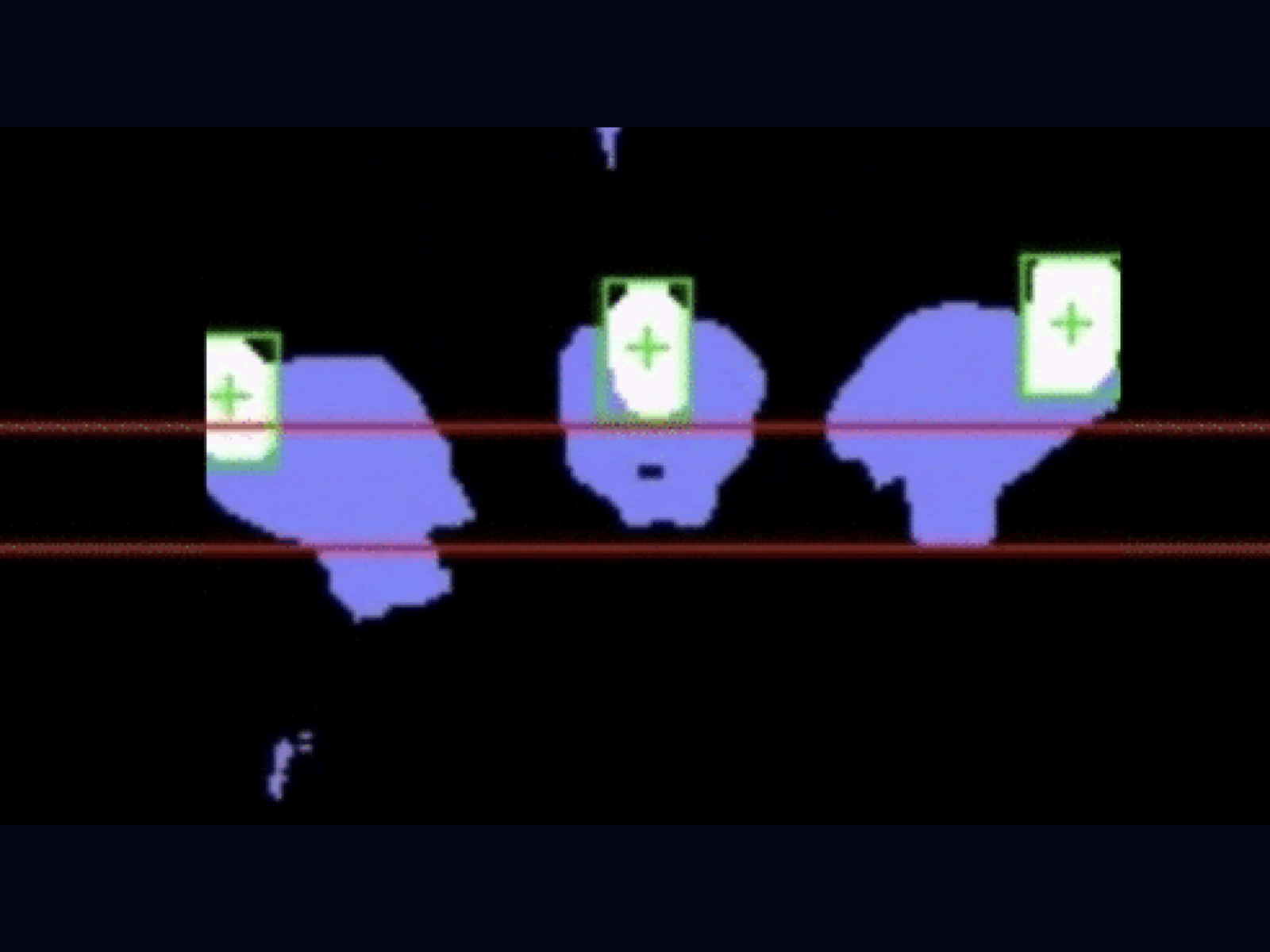
Rebranded as Team Rona Busters, the team developed a traffic monitoring system complete with a mobile dashboard allowing real-time traffic reports as well as cleaning reports by zone.
-
Sanitized Door Opener
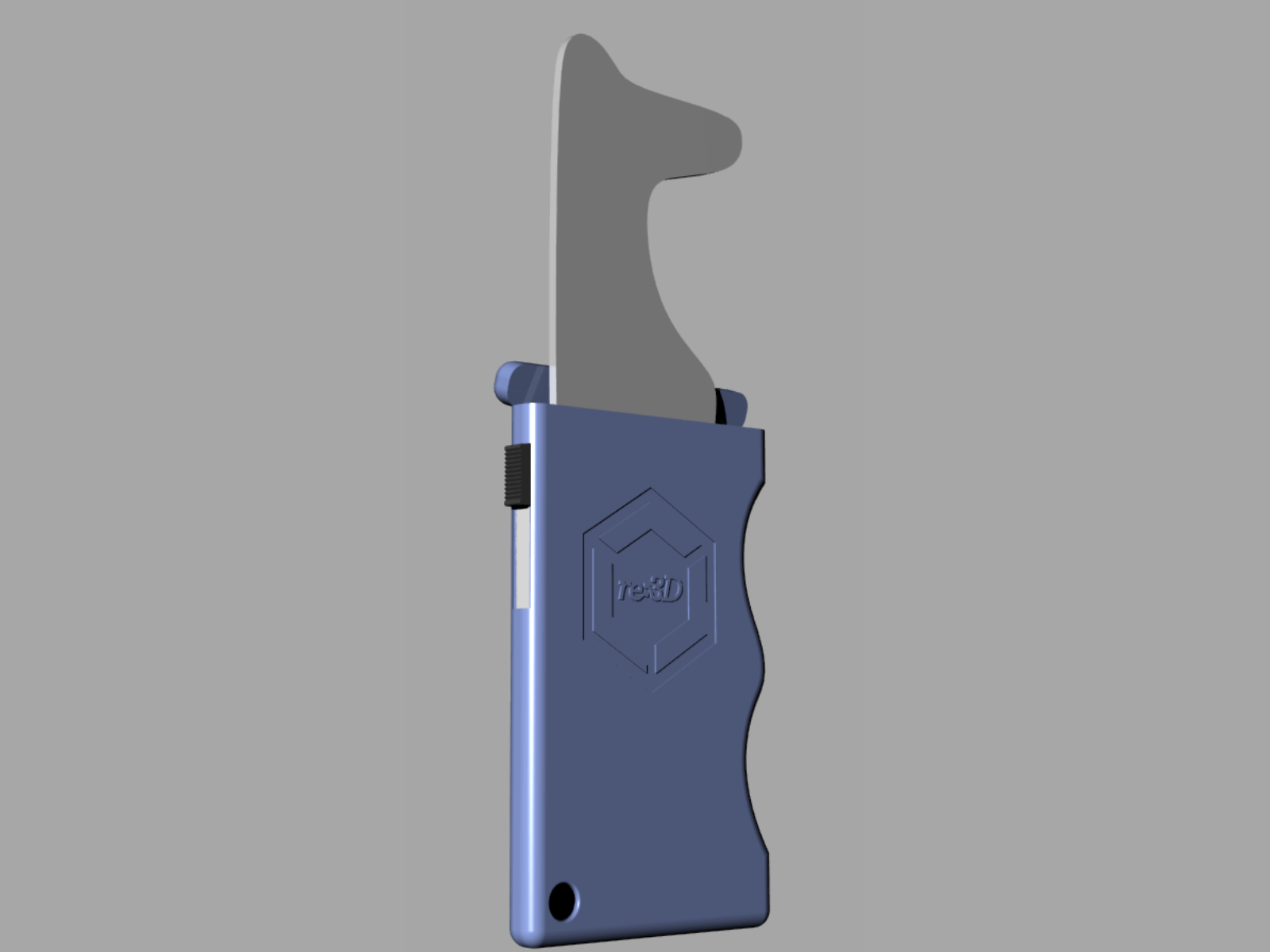
Rebranded as Team Can't Touch This, this solution features a retractable door opening and touchpoint device that includes a sanitization process each time it retracts.
-
Raman Light Inspection System
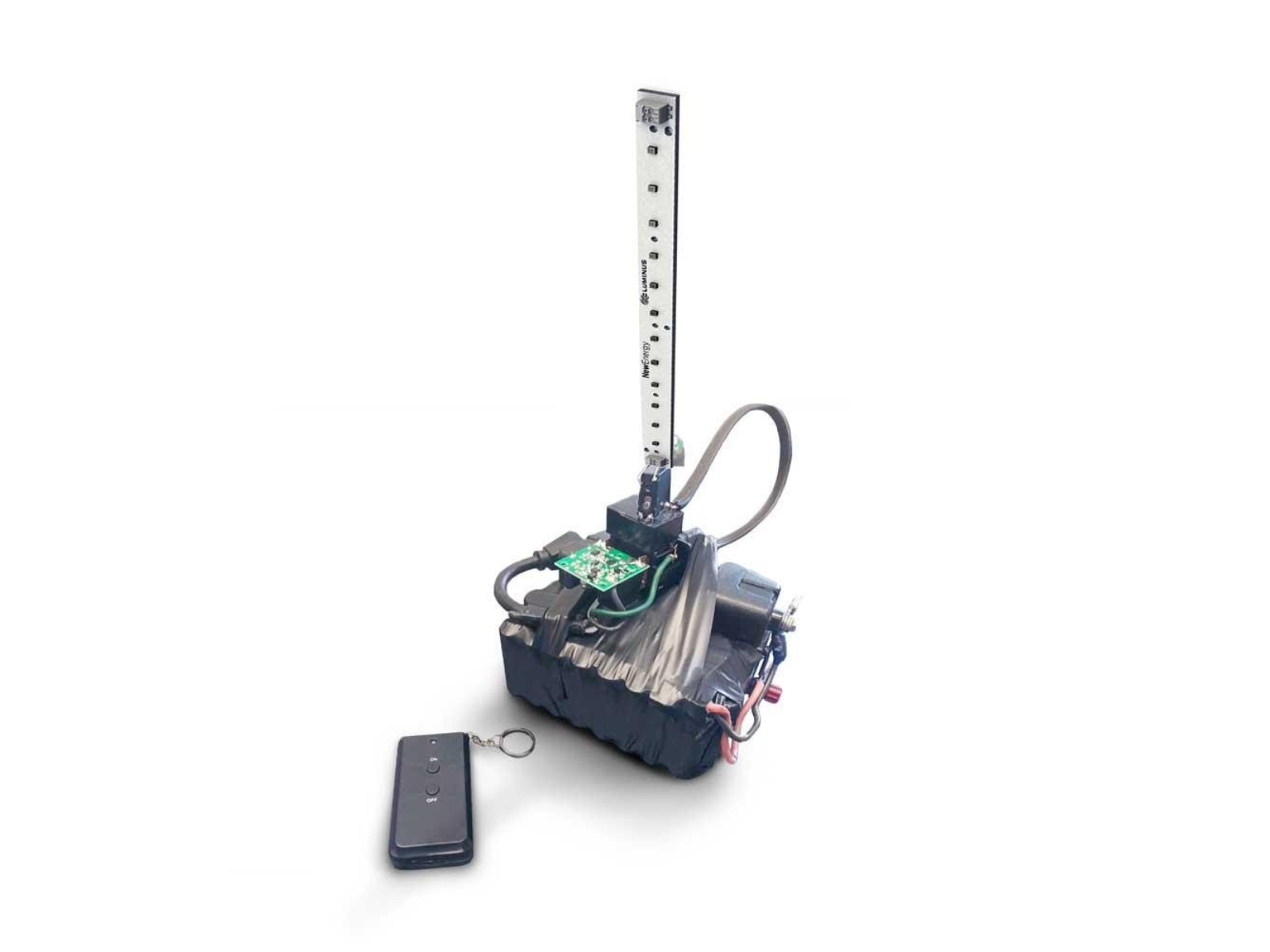
Team Virus Detection developed a Raman Light Inspection System to quickly detect COVID-19 on surfaces. This portable system accurately distinguishes viruses instantaneously.
-
Automated UVC Decontamination System
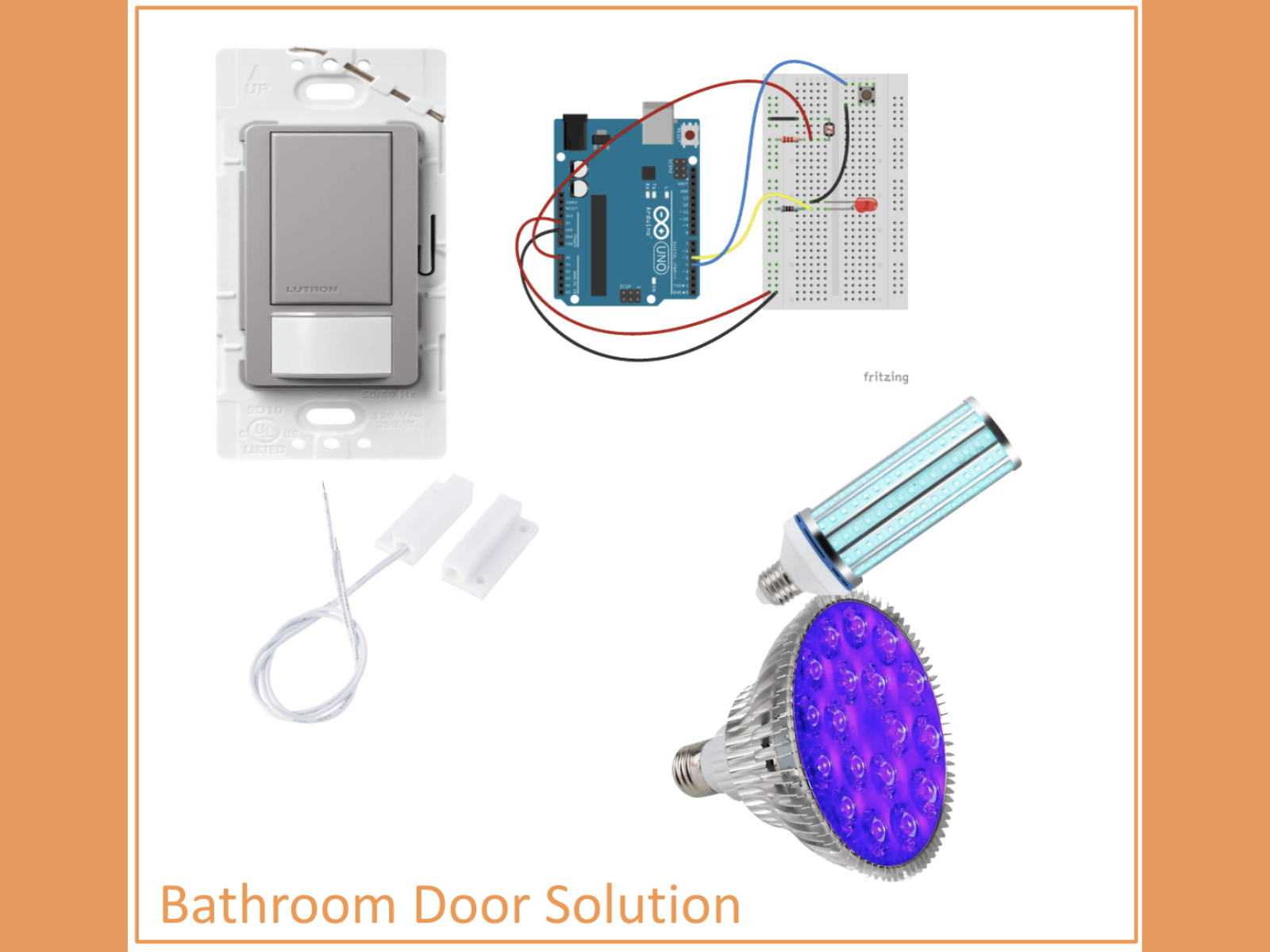
The team designed an automated system for decontaminating surfaces in hotel rooms, to include the surfaces of cleaning carts commonly used for housekeeping tasks.
-
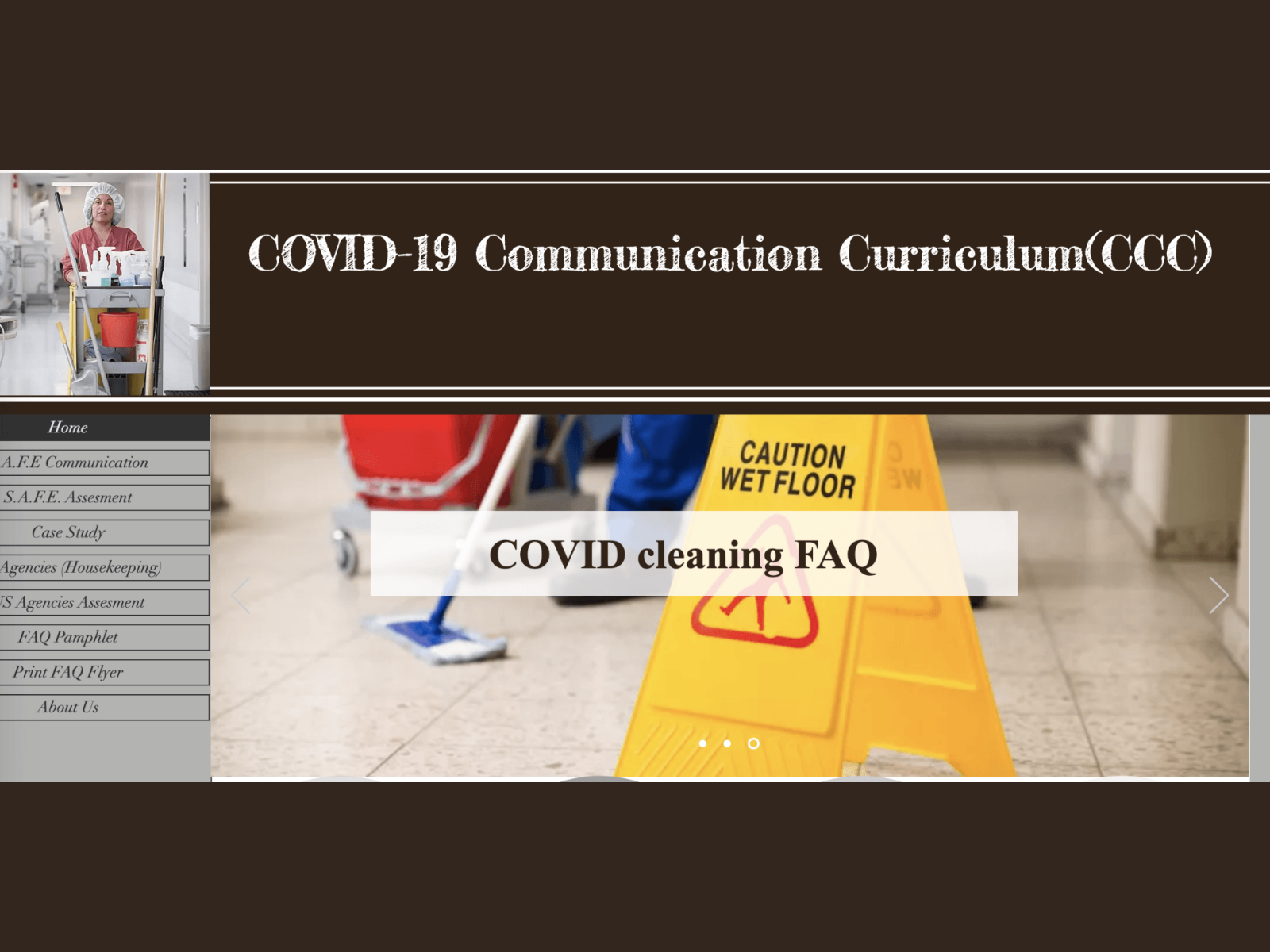
S.A.F.E. Training
After discussing the challenge with in depth, the team pivoted to focus its energy on developing training materials for housekeeping staff. Their student-centered design incudes online quizzes and discussion prompts
-
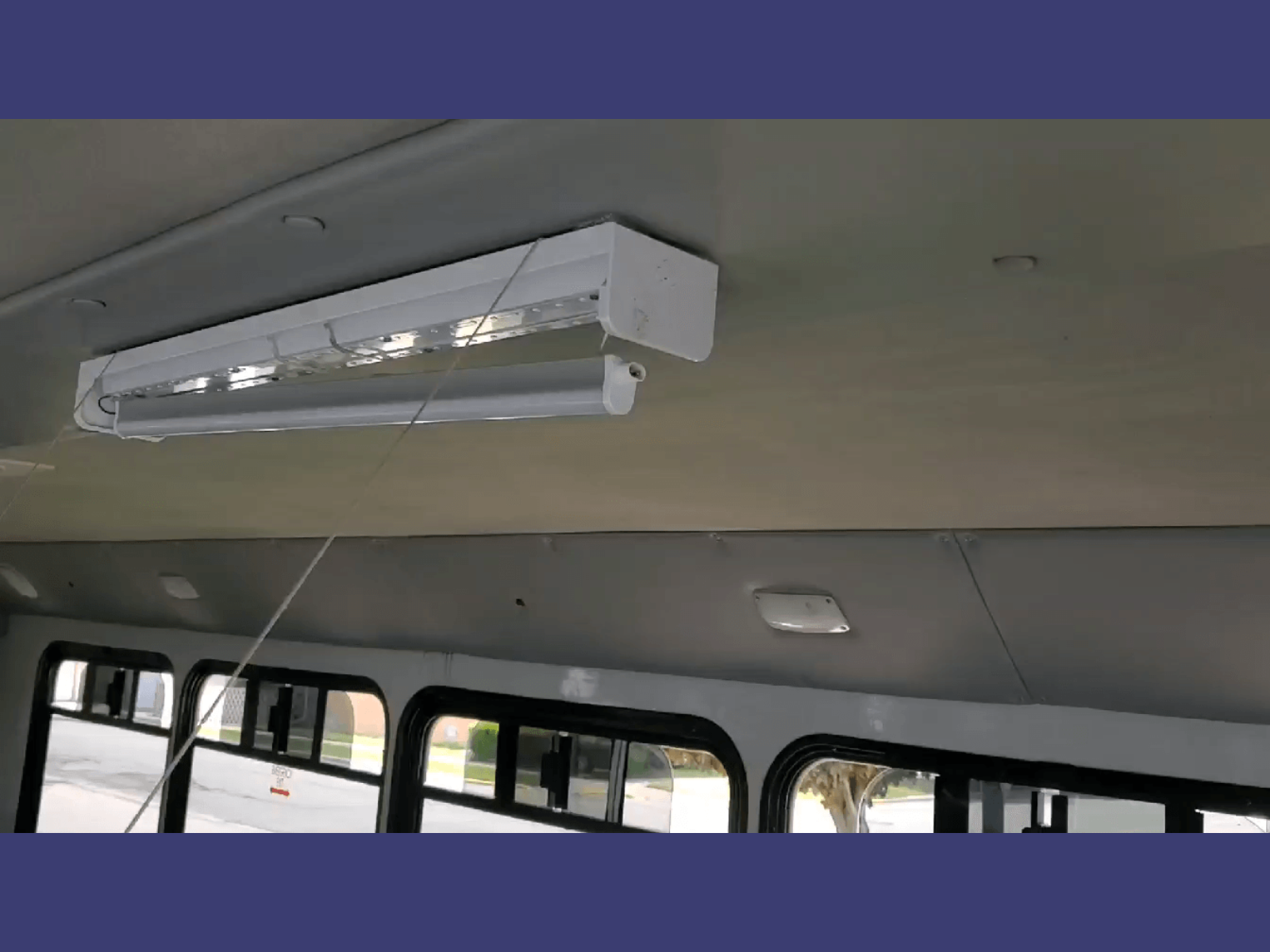
Articulated UVC Decontamination System
The team built on its experience in the first challenge to develop a UVC decontamination system capable of sanitizing busses of varying sizes, The system deploys from the bus ceiling to maximize light exposure to all surfaces.
-
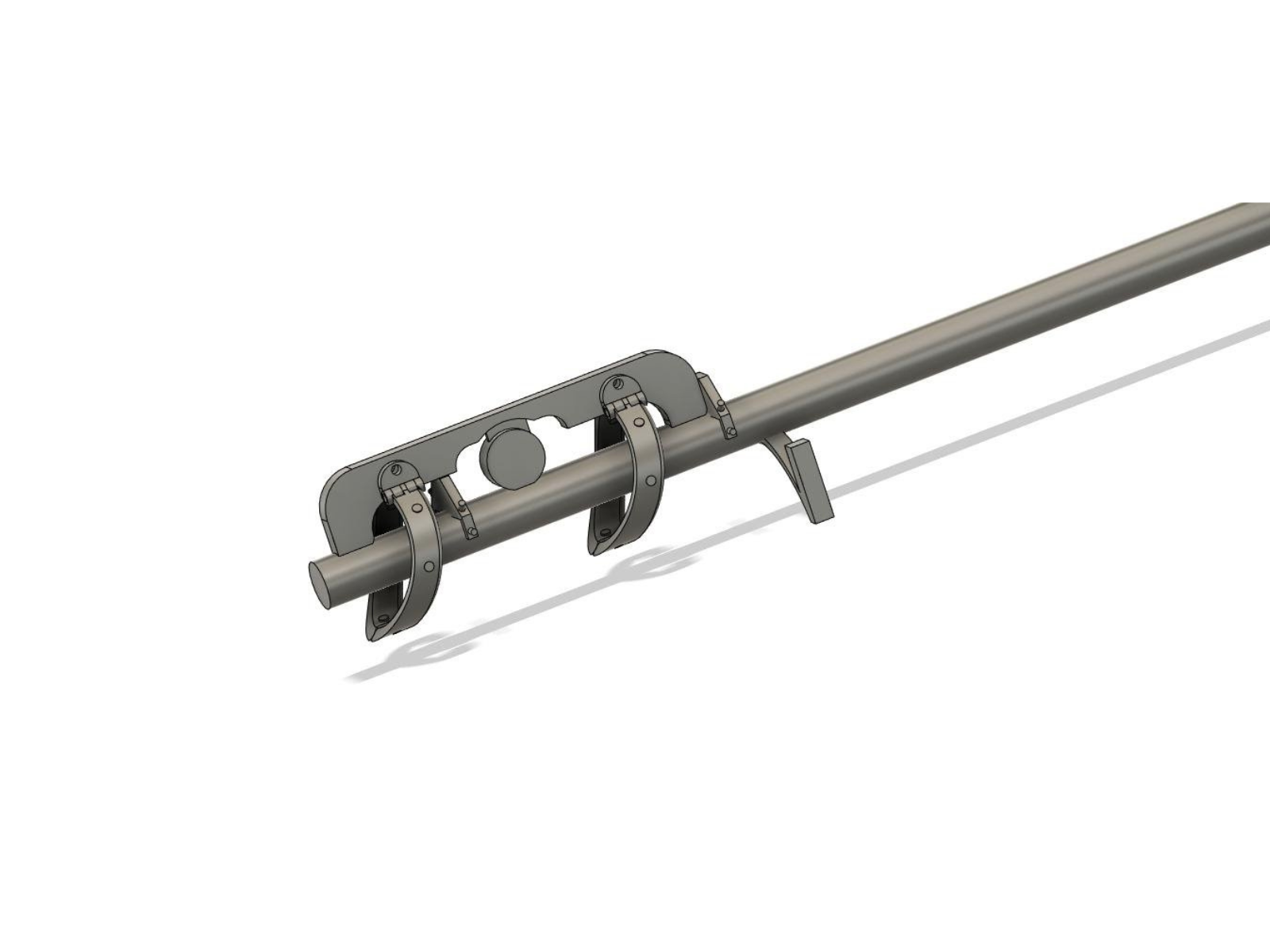
Automated UVC Railing Decontamination
Rebranded as Team Off The Rails, the team developed an automated railing decontamination system, complete with articulating arms and safety features that prioritize human railing use over cleaning tasks.
-
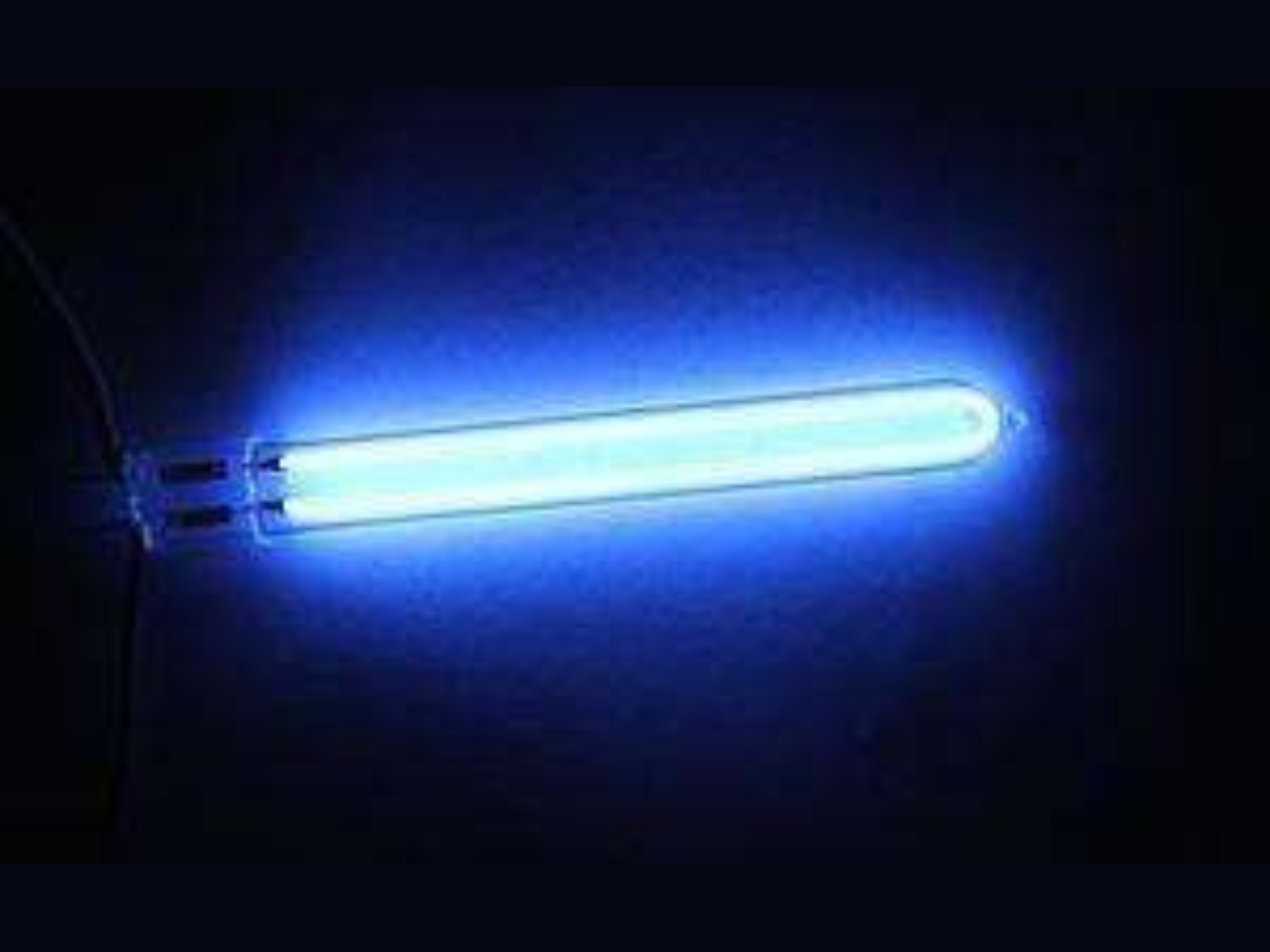
UVC Cruiser Decontamination
Winner of the Feasibility Award, the team proposed a UV-C Led light solution mounted to the partrol car ceiling that allows officers to easily toggle on and off the device for disinfecting.
-
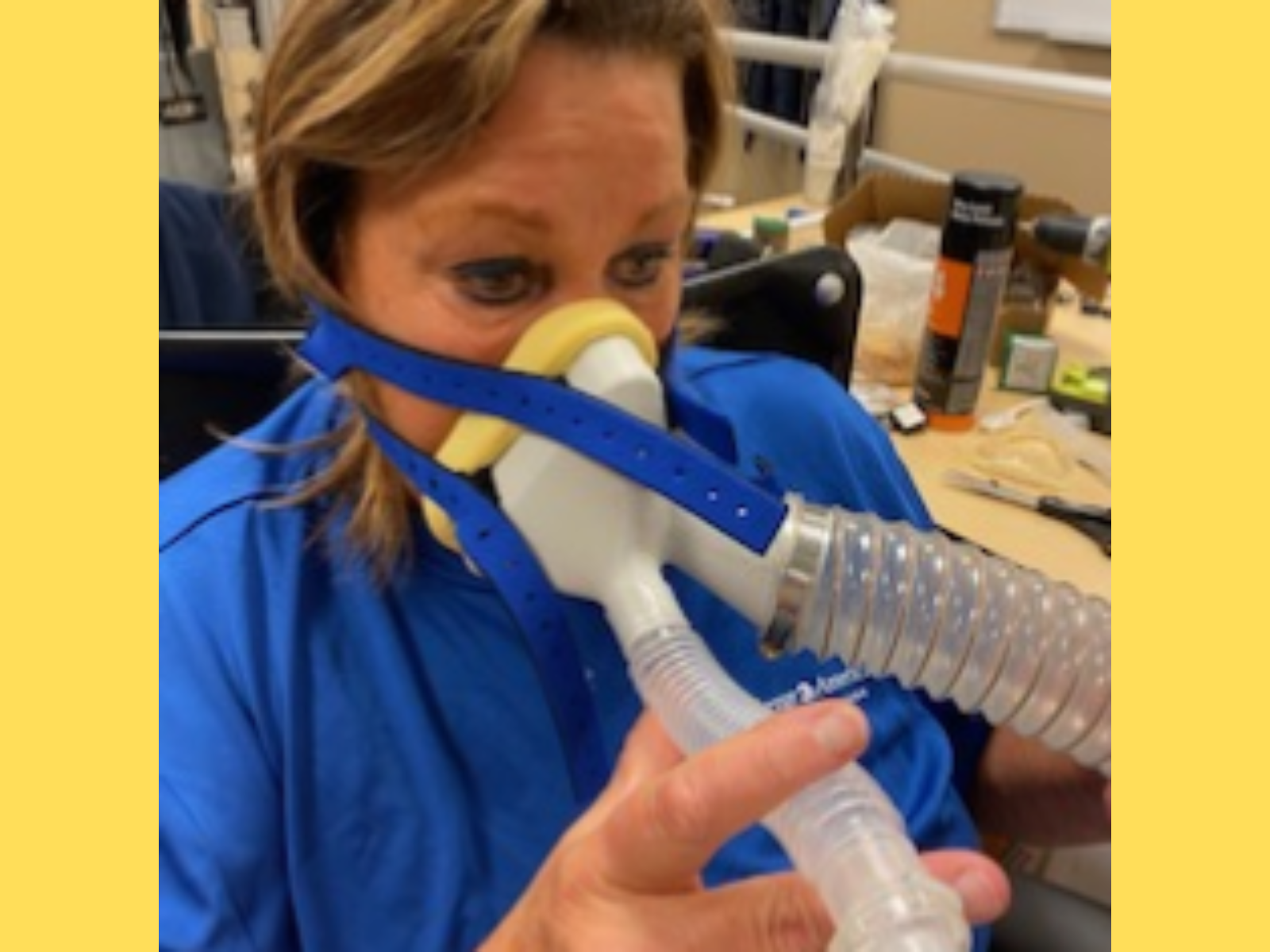
Nebulizer Filtration System
The team created an aerosol containment mask that features patient comfort, nebulizer compatibility, exhaust filtering, reuse, and mist disposal/decontamination.
-
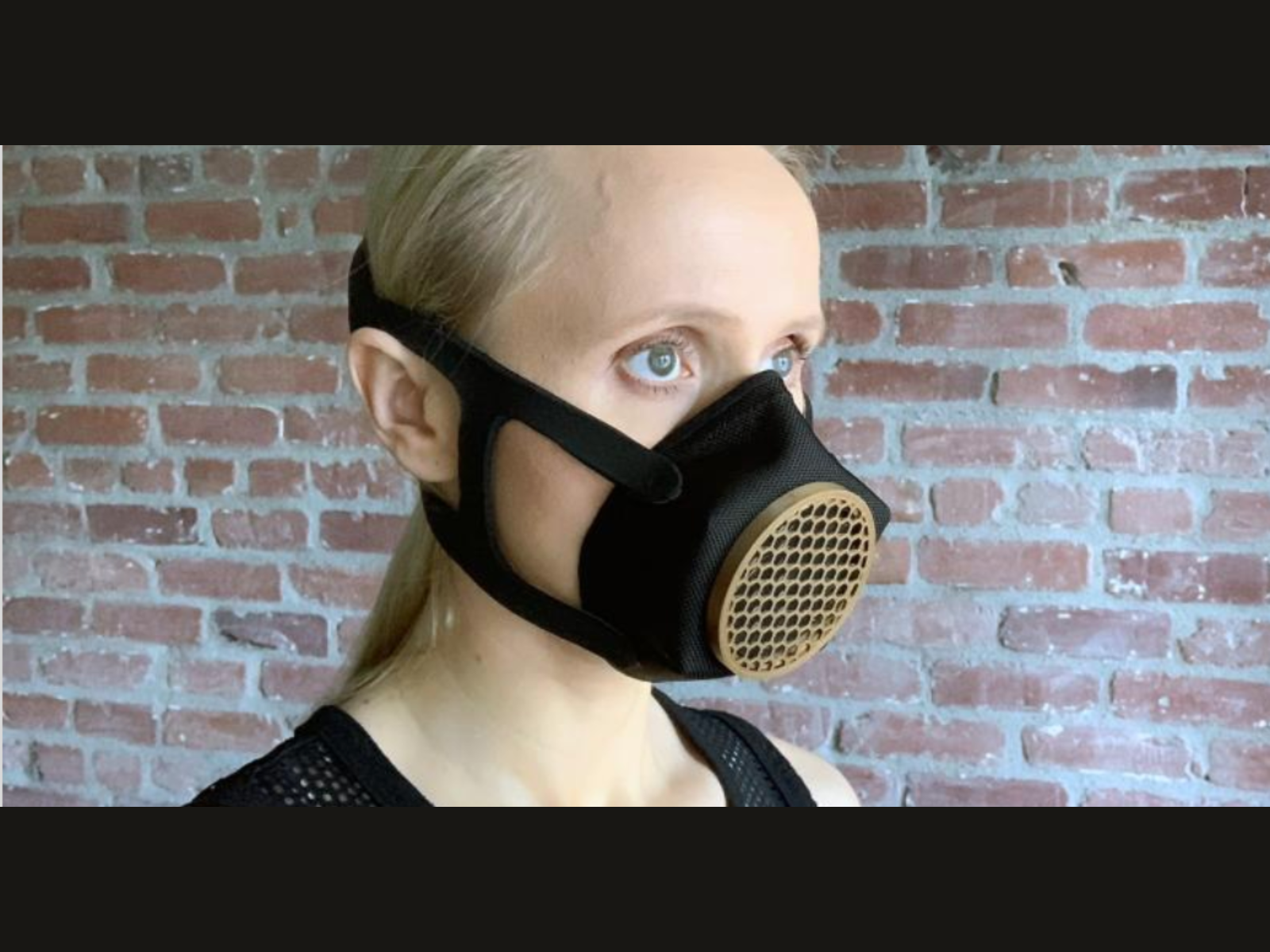
Break-Away Cordura Mask
Winner of the iEx Design Award, the team designed a cordura mask that allows police to easily customize its appearance. The mask also features a magnet breakaway system to avoid injuries during altercations.
-
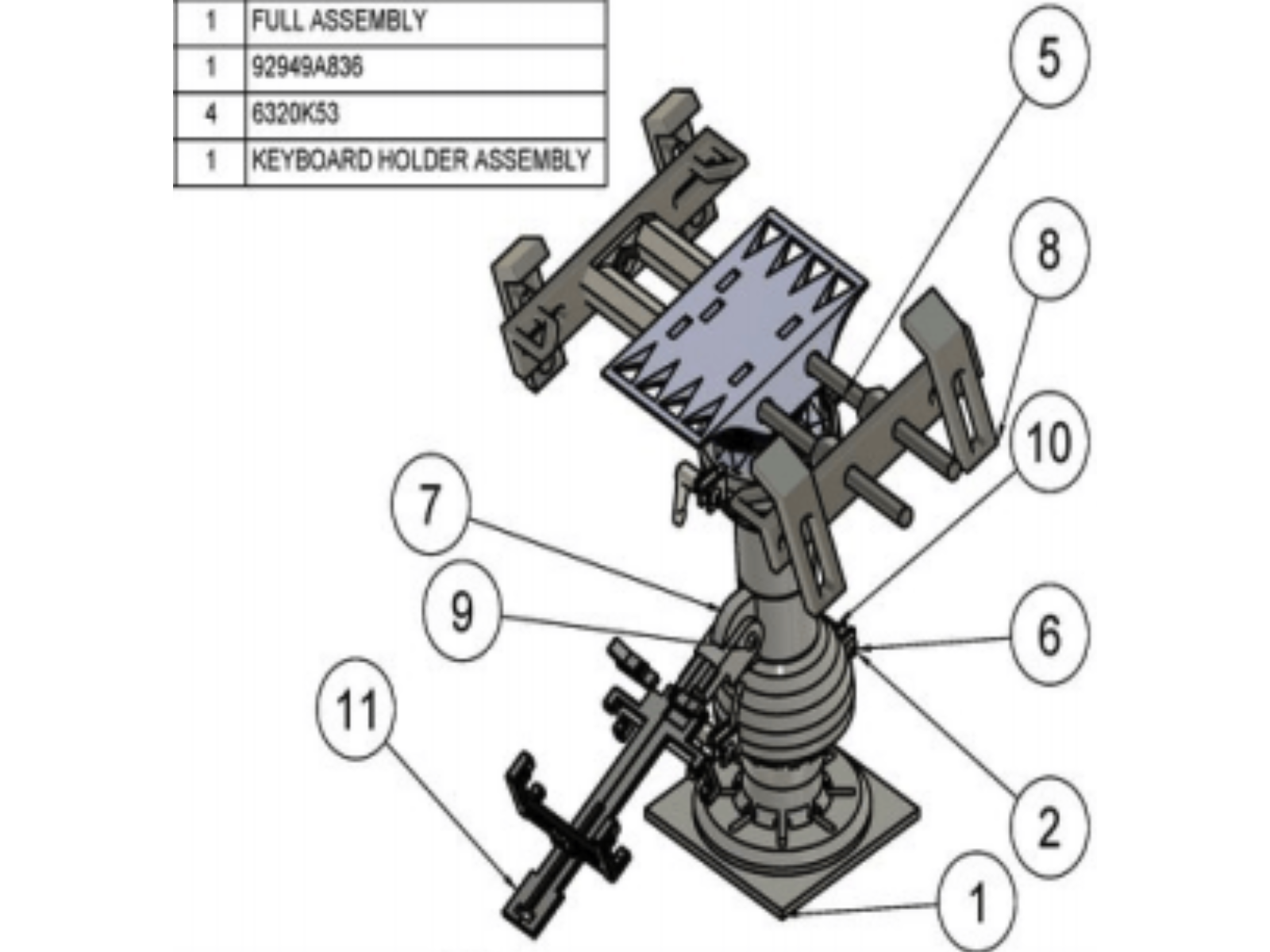
Cruiser Laptop Mount
The team developed a low-cost 3D printed laptop mount with articulating keyboard platform that minimizes space requirements while maximizing flexibility for different working environments.
-
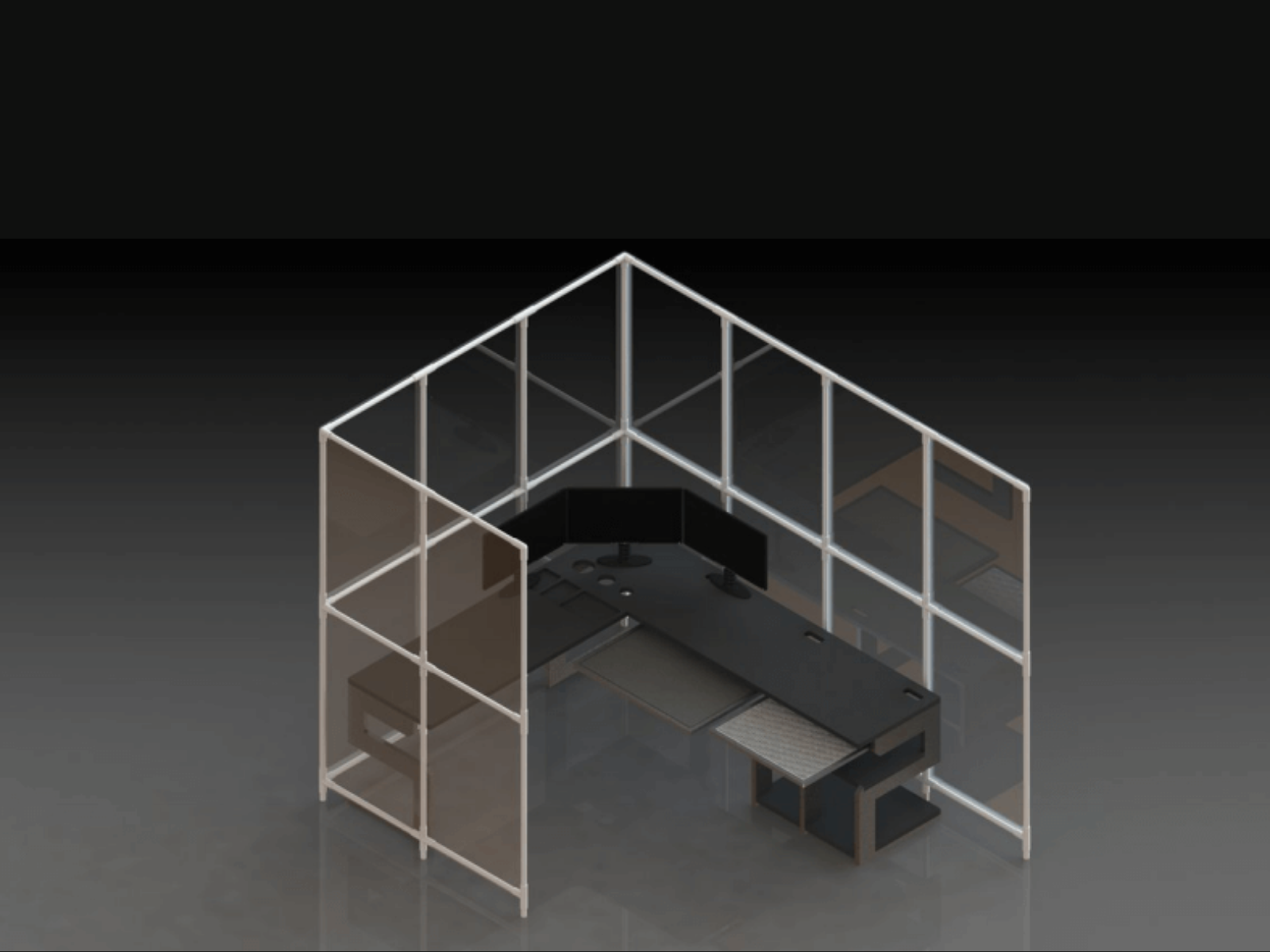
Office Space Divider System
The team developed a low-cost solution using PVC pipe and parts commonly found in hardware stores to create protective zones that adapt easily to most office environments.
-
Hero Peer Support
The team designed a virtual peer-support community that connects first responders to local and national resources, provides real-time information on government guidelines, and offers ease of use.
-
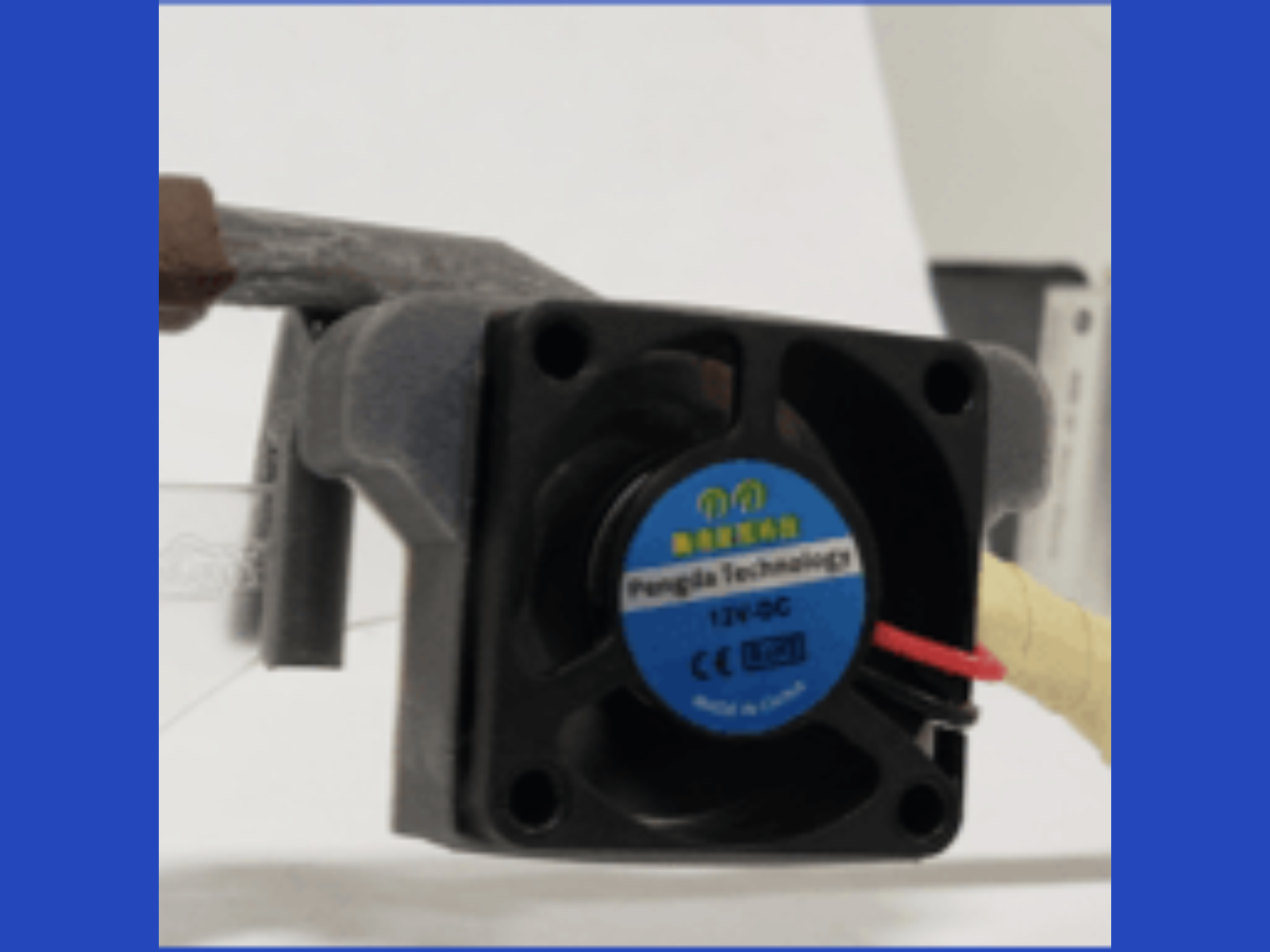
Goggle Fan
The team developed a lightweight 3D printed goggle clip and fan device to safely circulate air and mitigate fogging.
-
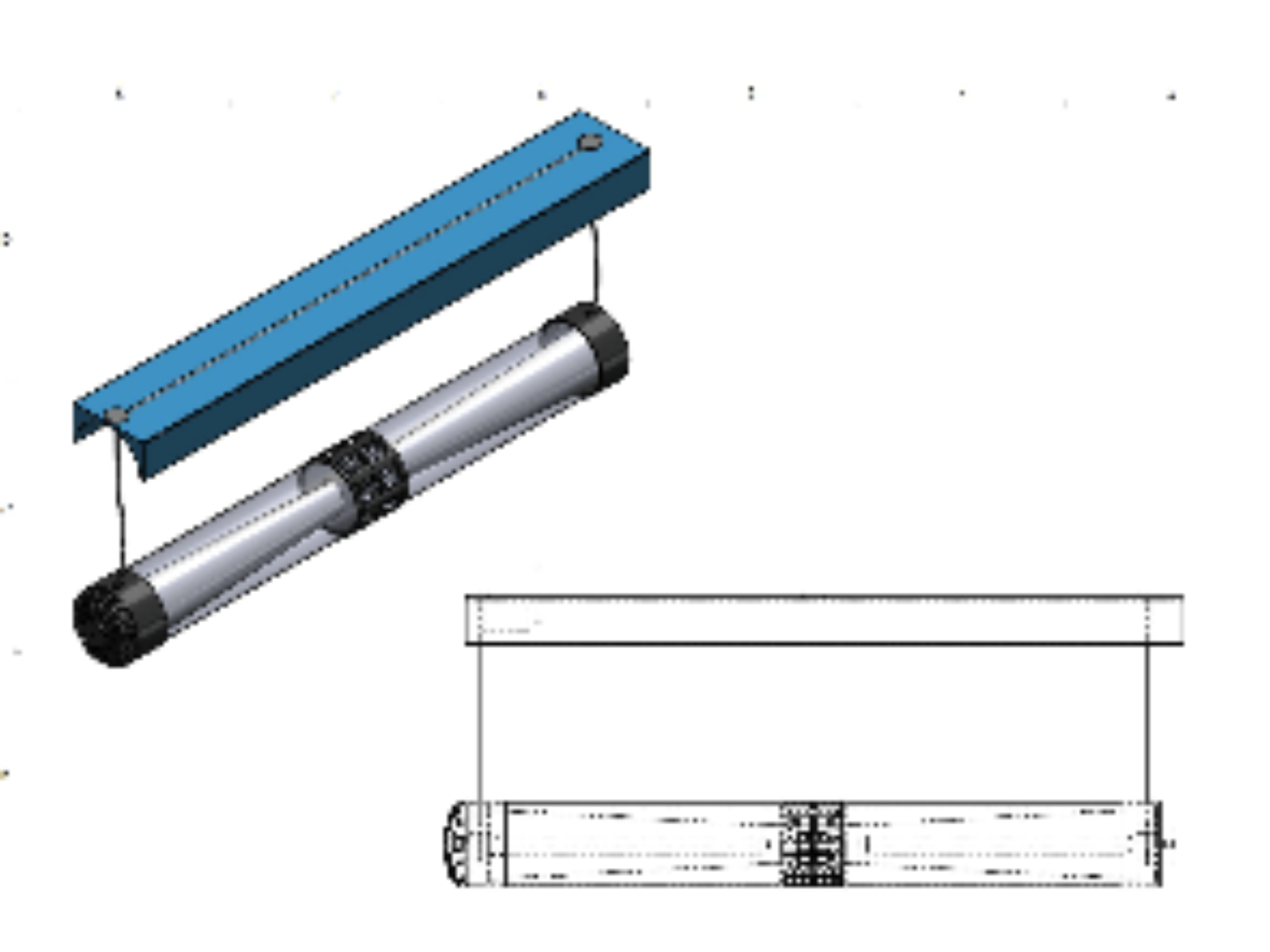
Articulating UVC Light Decontamination
The team proposed a low-cost solution using 3D printed pieces and off-the-shelf parts to create an overhead UV light with shadow detection capabilities to maximize light exposure throughout the decontamination process.
-
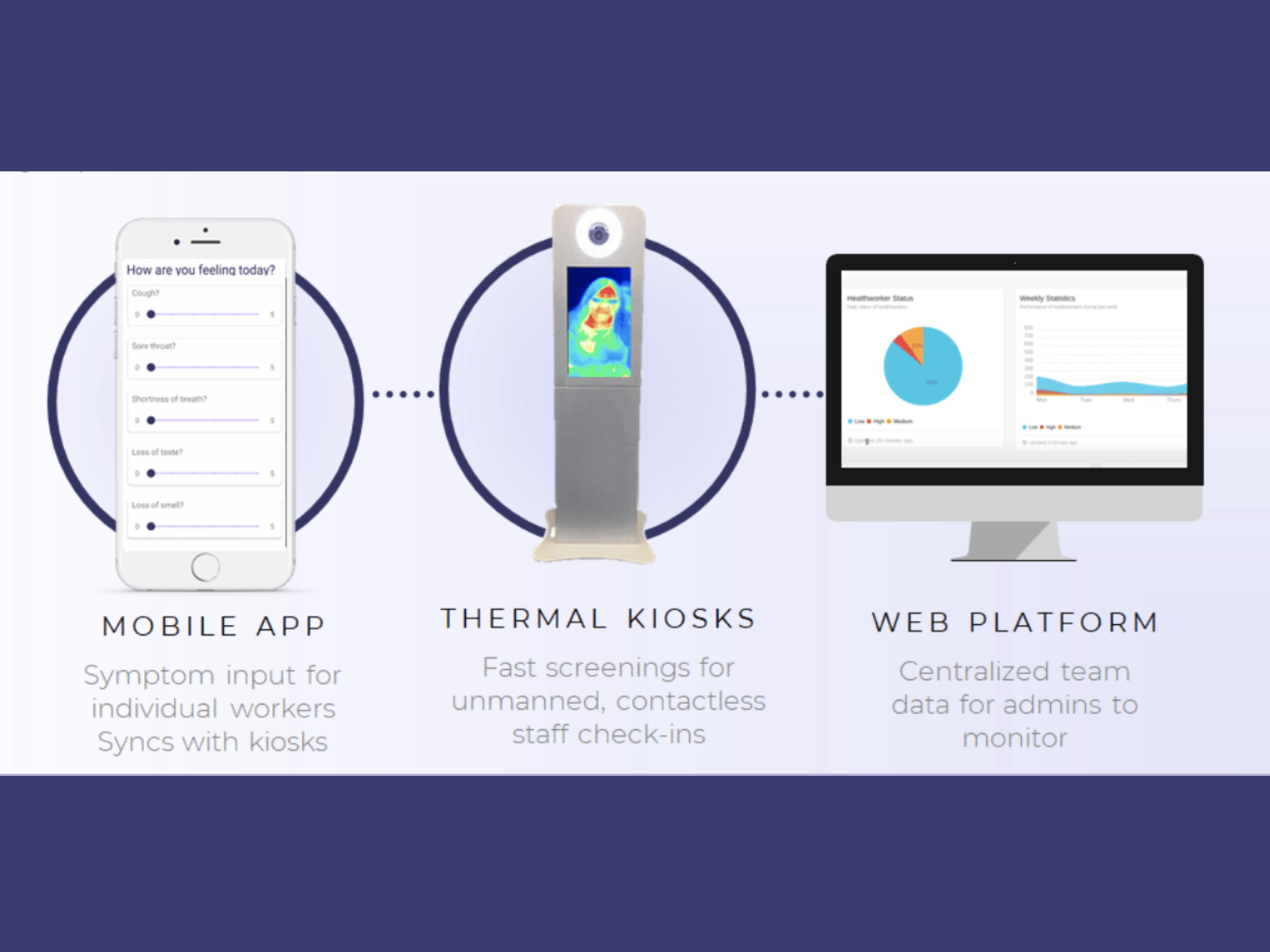
AI Biosensor Platform
Winner of the iEx Design Award, this team has developed an AI Biosensor platform, including a mobile app and thermal kiosk, that conducts early detection of elevated body temperature and infection symtpoms.
-
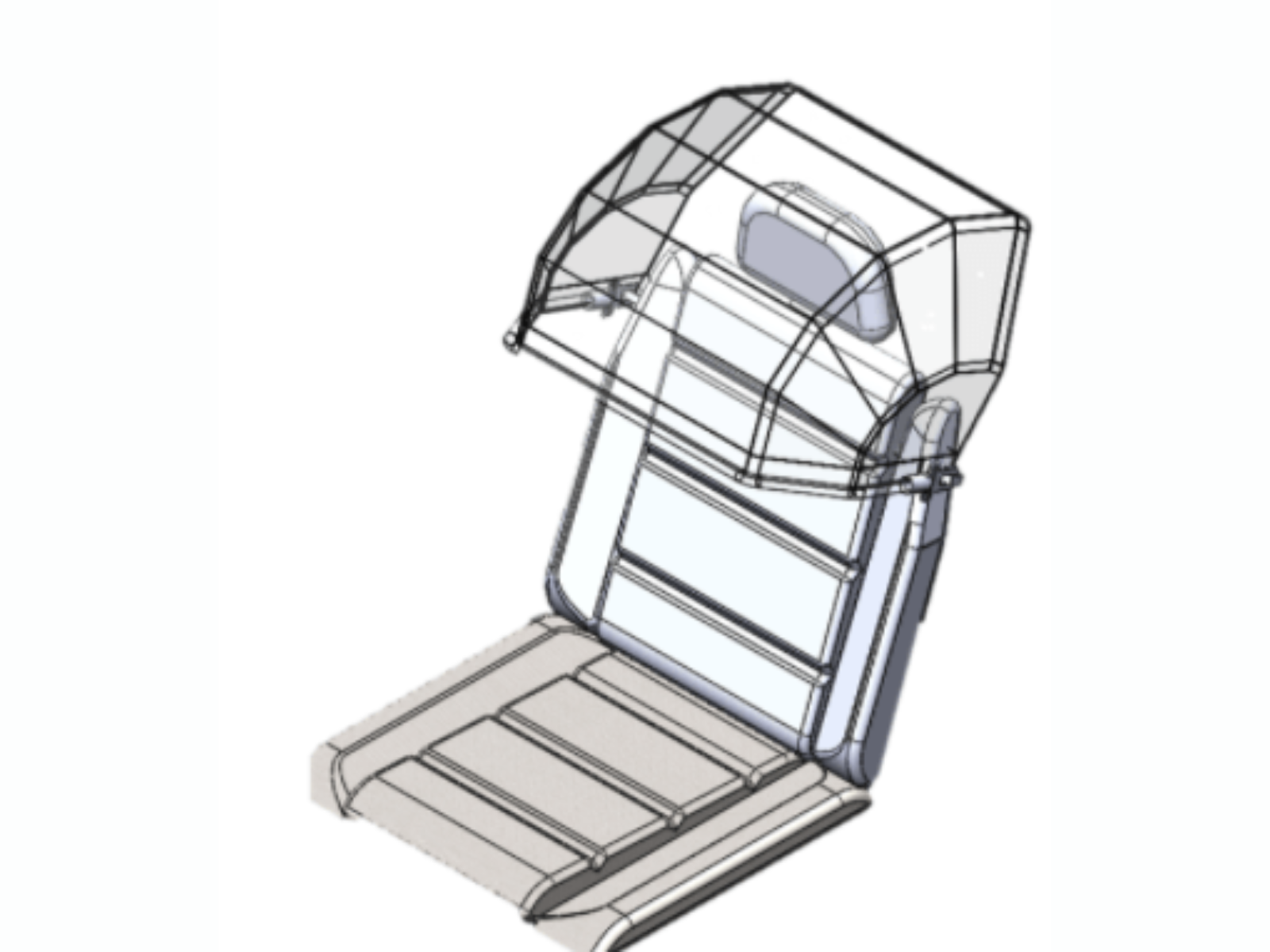
Separation Station
To create barriers among passengers to prevent contagion, the team developed two designs: one as a protective foam add-on seat with a transparent hood covering and a separation station with a curtain roller track to pull across a transparent curtain around a wheelchair or seat.
-
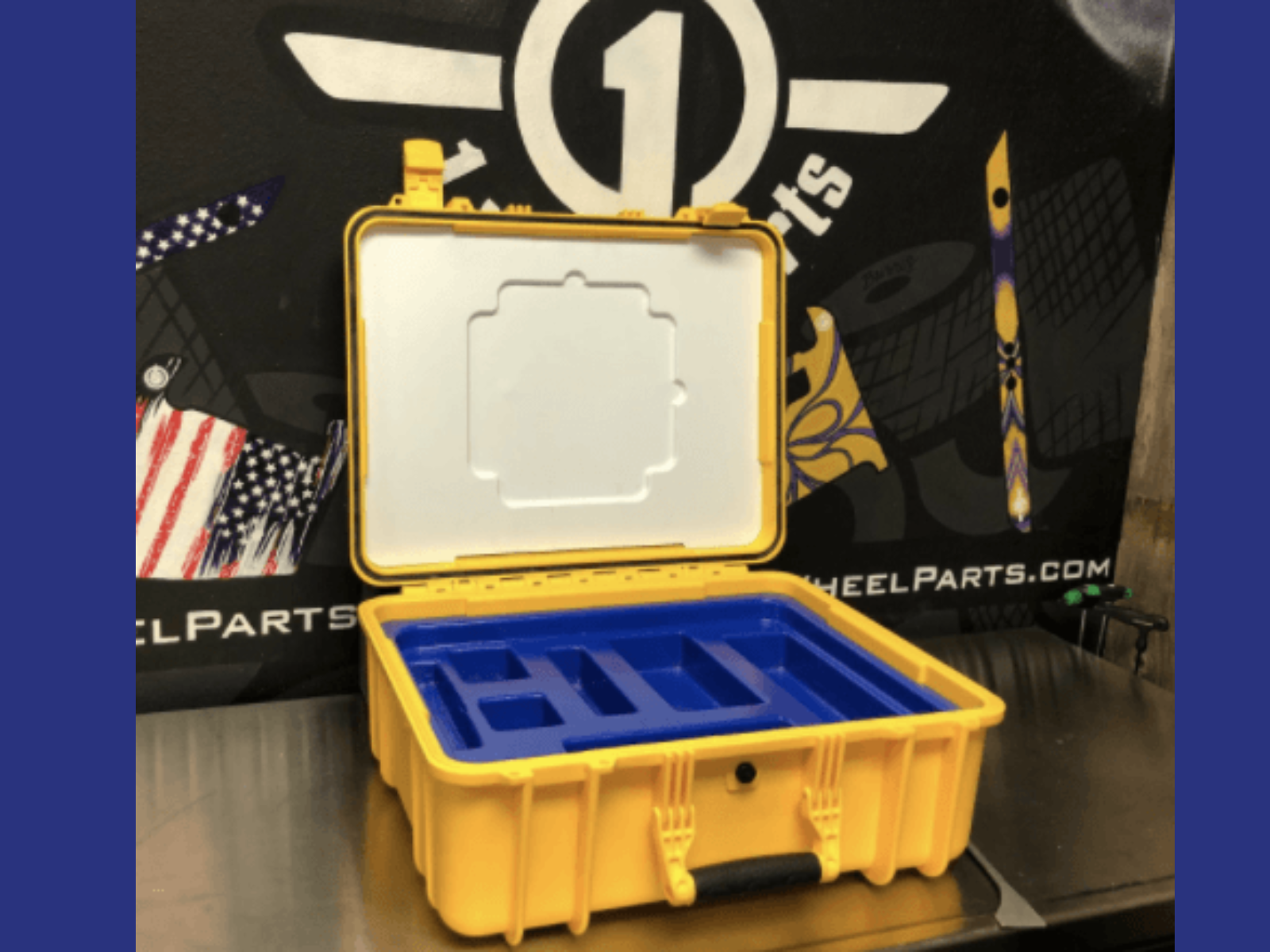
Forward Triage Case
Together with their VA end user, the team developed a lightweight customized case to accommodate the equipment and telehealth connection needed to do remote COVID-19 (and other) testing in VA Community Living Centers.
-
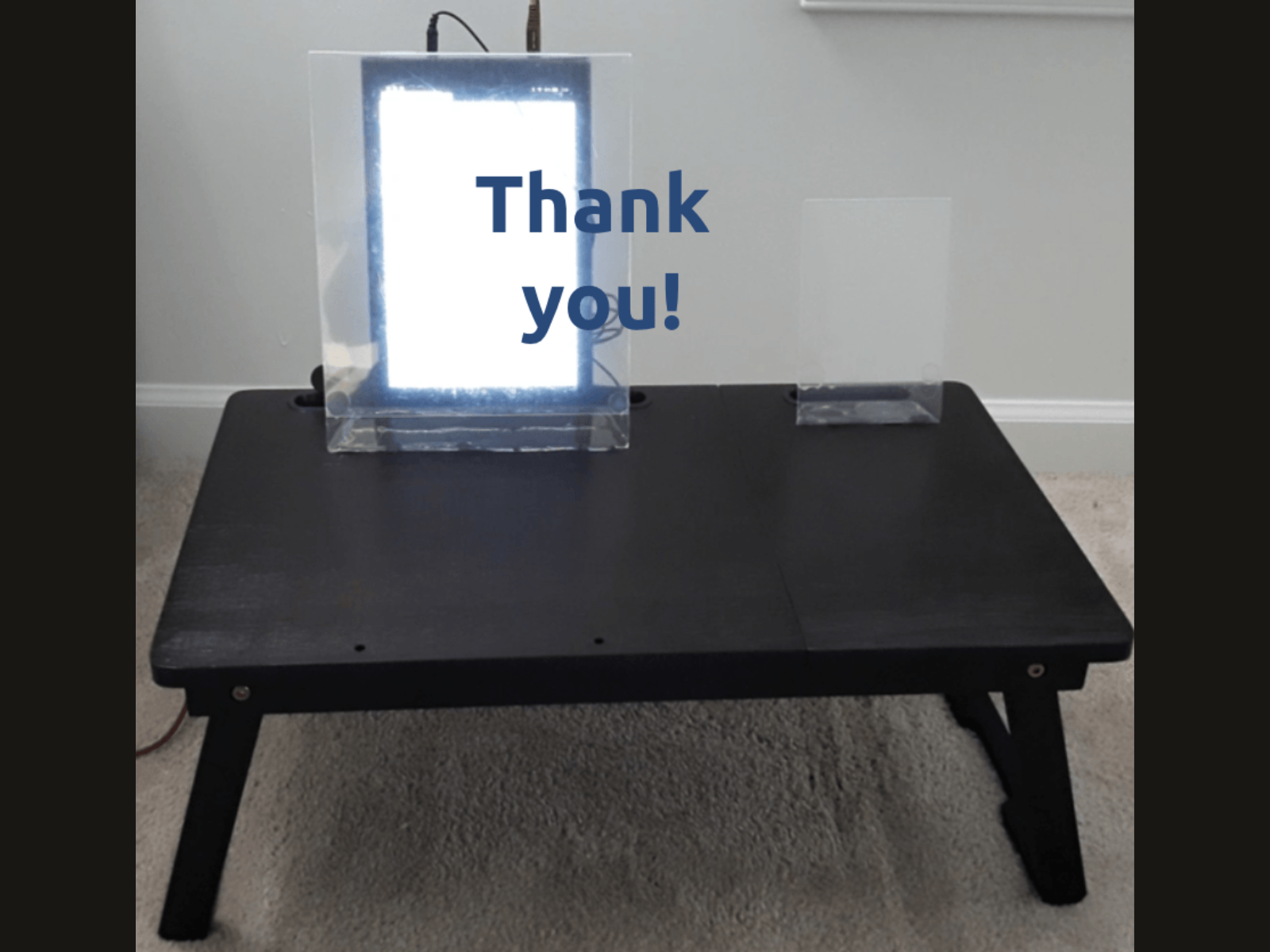
Senior-Friendly Communication Station
The team created both a hardware and software solution to facilitate virtual communication with loved ones: a lap desk to hold the tablet in place with a shield to prevent users from disconnecting the call and highly senior-friendly mobile app to store contacts and make calls.
-
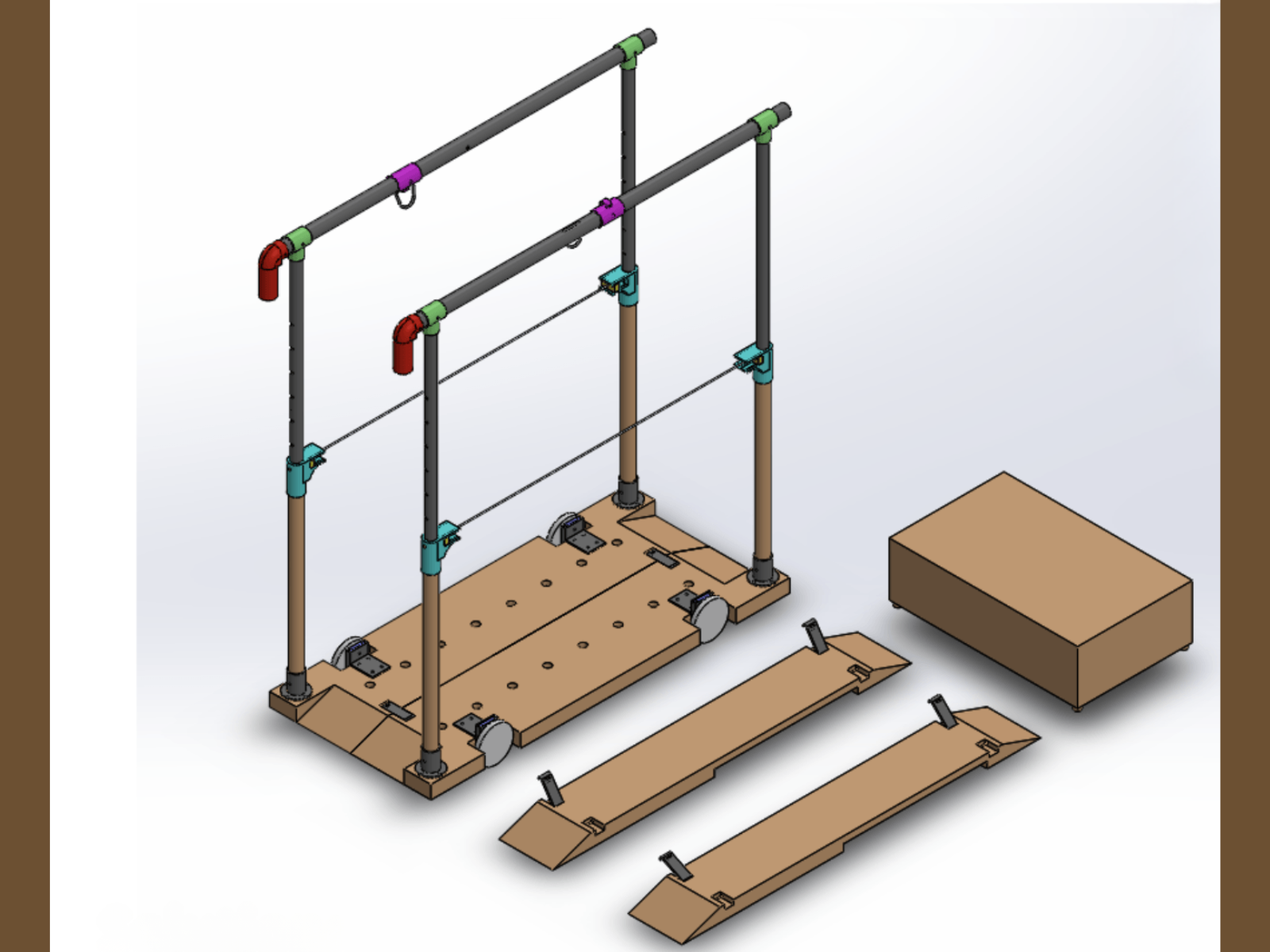
Portable Parallel Bars
To allow the nursing home residents who are in isolation to continue with their physical therapy, the team designed adjustable, portable parallel bars that can easily be moved to different rooms for rehab.
-
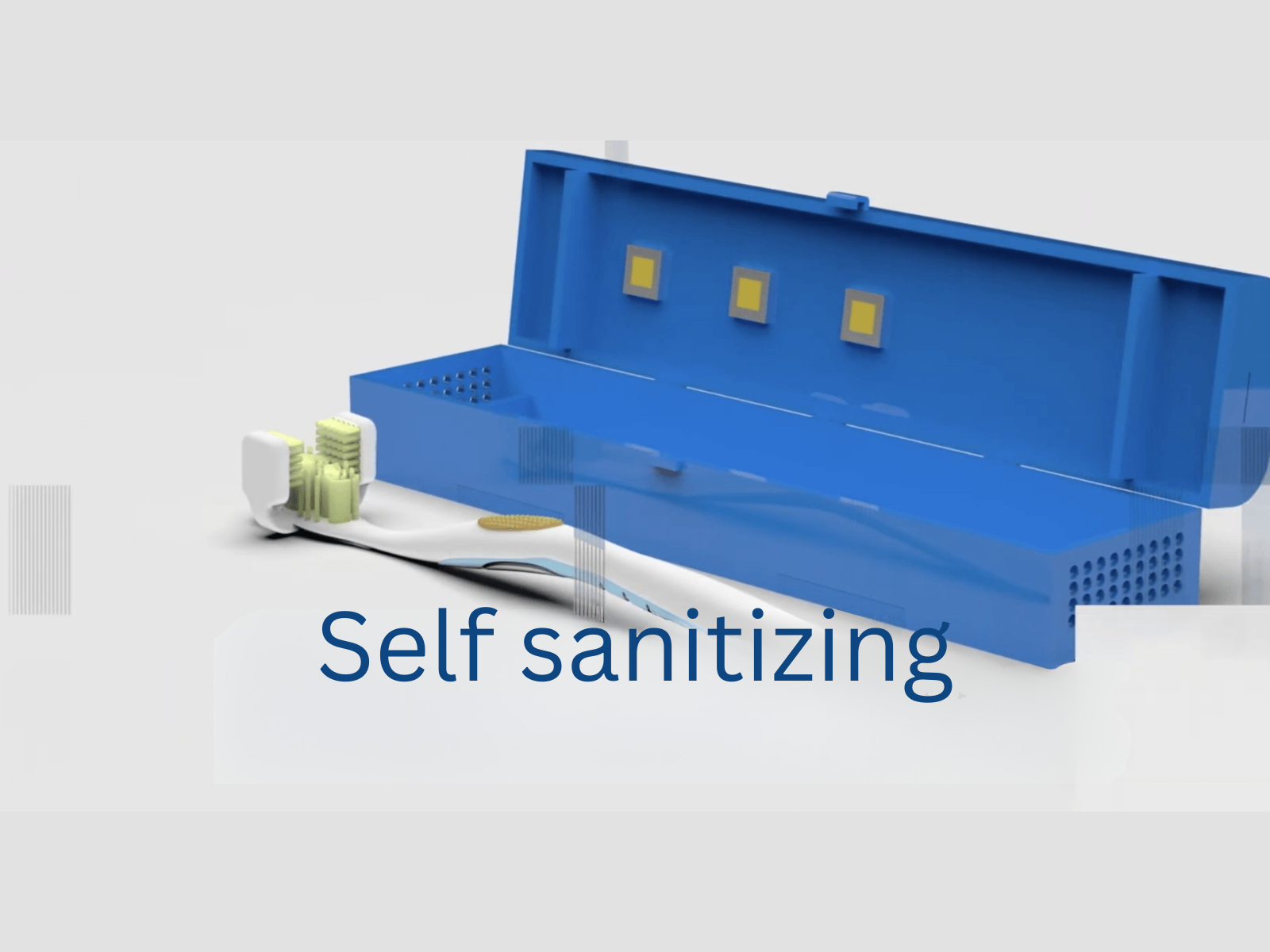
UVC Toothbrush Container
To promote proper oral care as the key to pneumonia prevention in nursing homes, the team proposed a 3-headed toothbrush with a breathable container using UVC light to disinfect the toothbrush regularly.
-
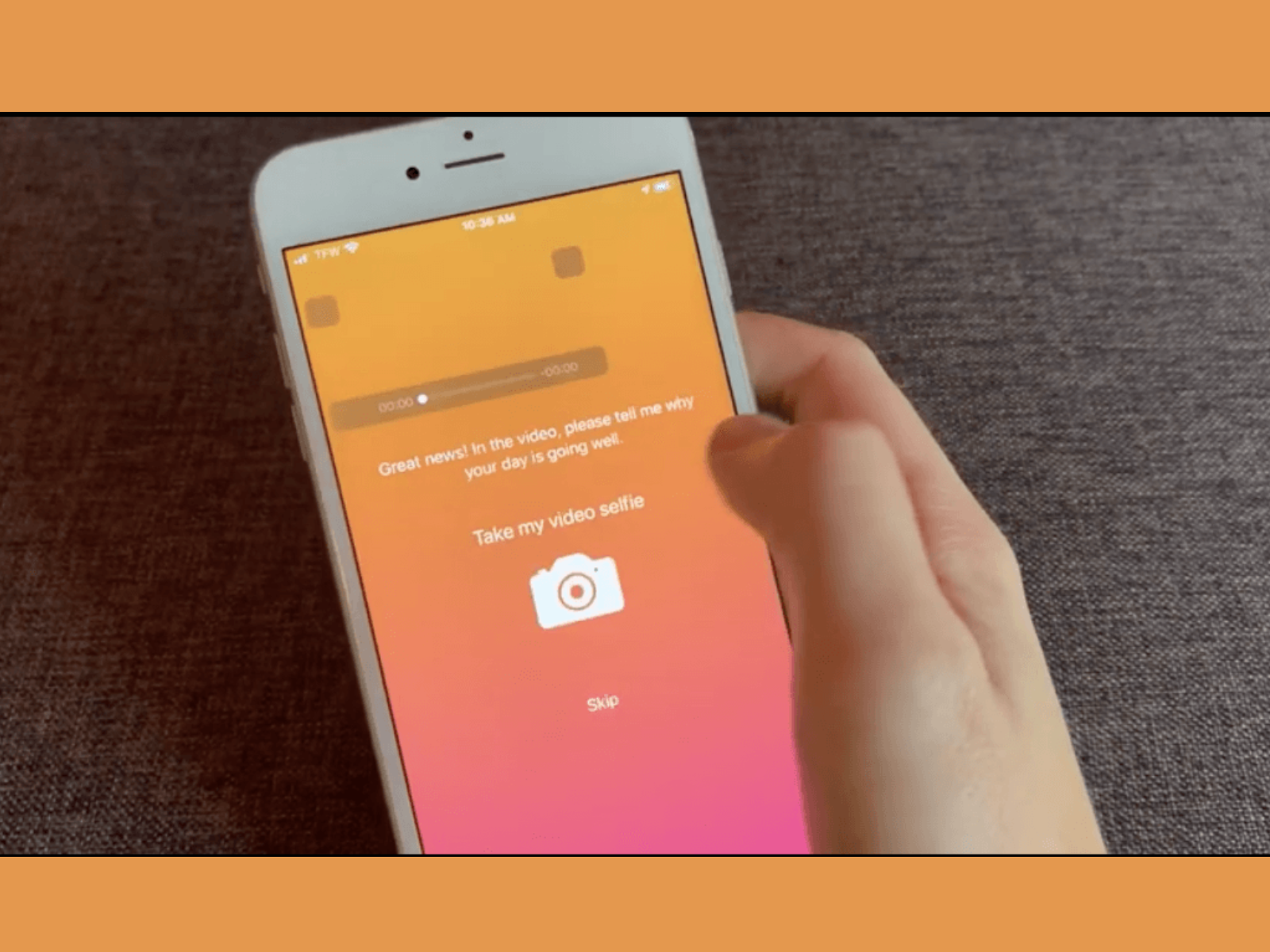
Symptom Monitoring App
The team used Okaya software to set up a mobile-based check-in system with automated alerts and workflows to monitor employee and visitor symptoms.
-
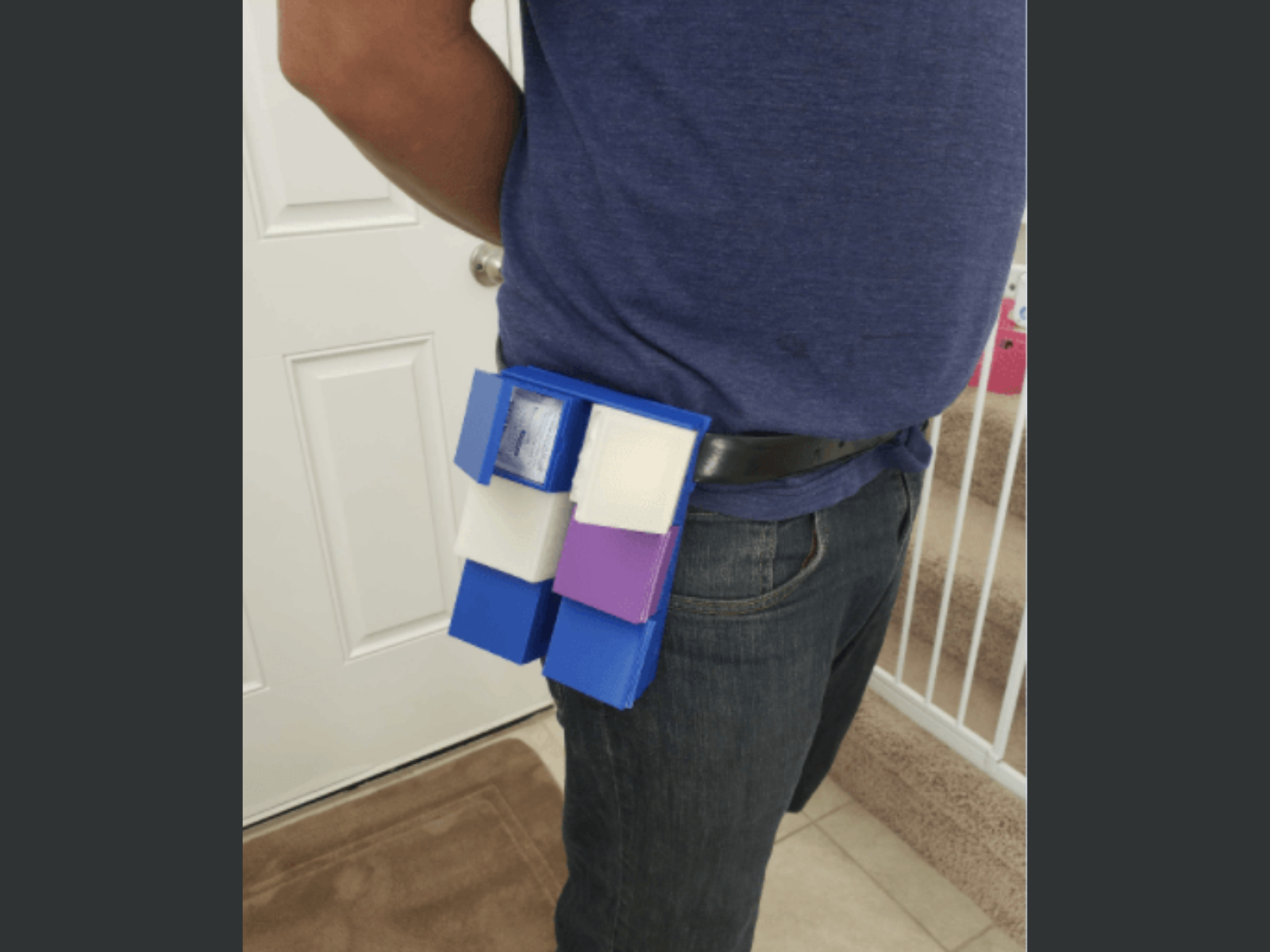
Sanitizer Tool Belt
To help staff have easy access to essential sanitizing products, the team developed an innovative toolbelt design using 3D printed compenents designed to store sanitizer solution, wipes, gloves, and other essential items.
-
Move & Groove with Pictures
To foster mental health, Team Memory Boost developed a choose-your-adventure game, complete with photographs, music, and movement.
-
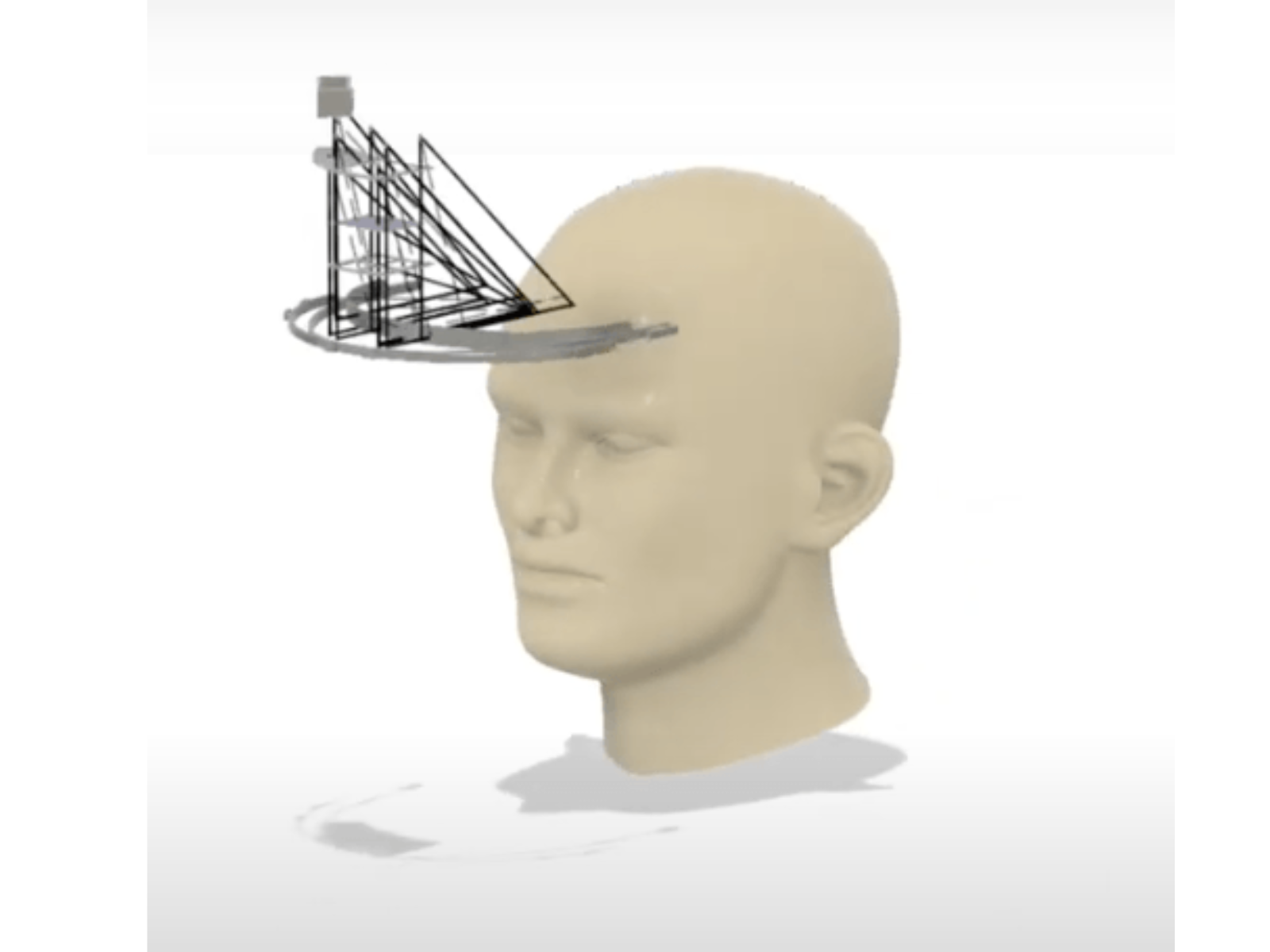
Ventilated Face Shield
Team Foggy Goggles settled on a novel shield design, complete with 3D printed and off-the-shelf compoentents, including a small fan to promote ventilation and minimize the risk of fogging.
-
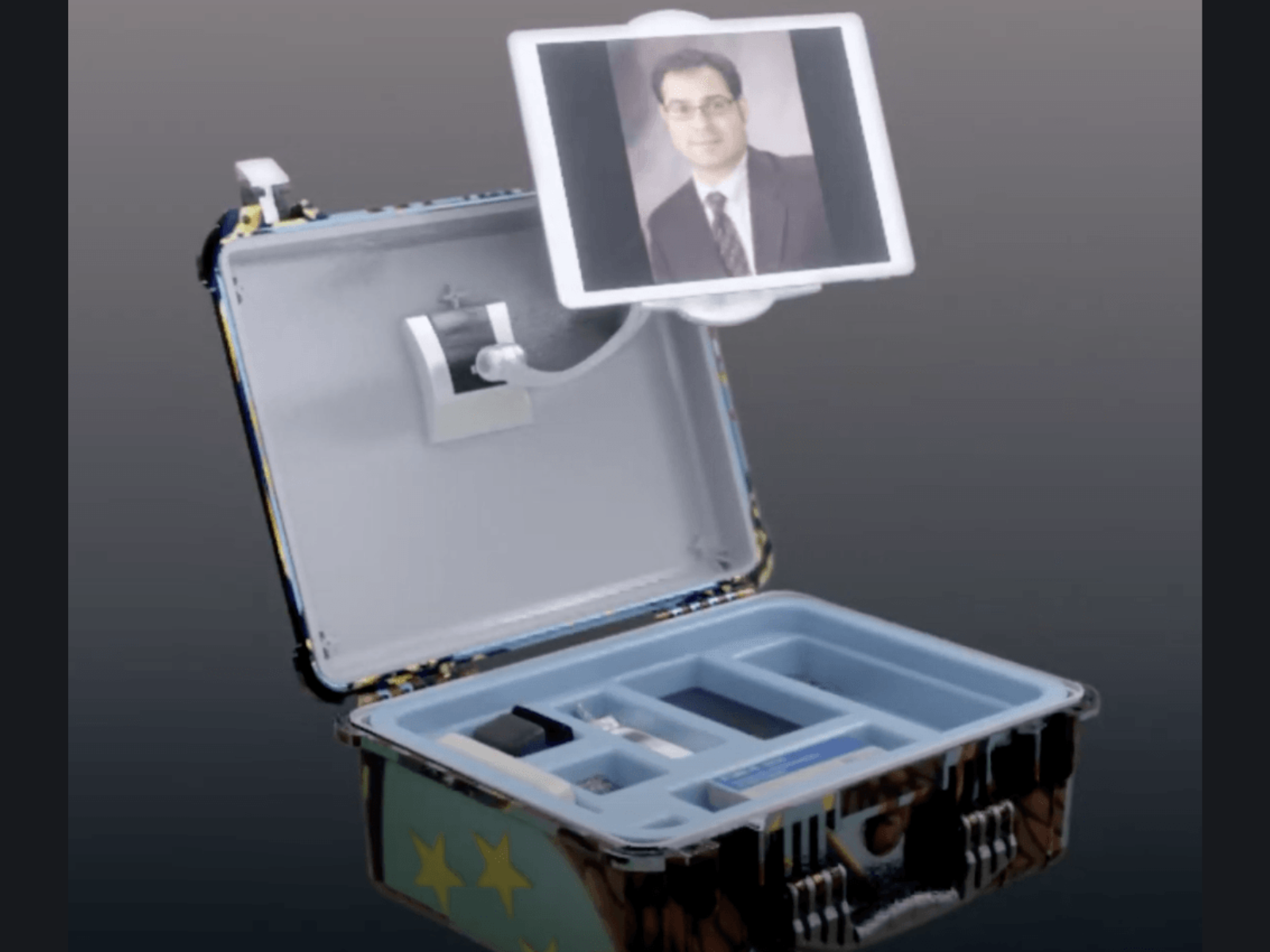
Telehealth Case
Through this continuation project, Team Hermtac managed to equip their mobile telehealth case with full data connectivity to conduct home visits and forward triage regardless of wifi or LTE access. This project won the IEx Design Award for best overall design.
-
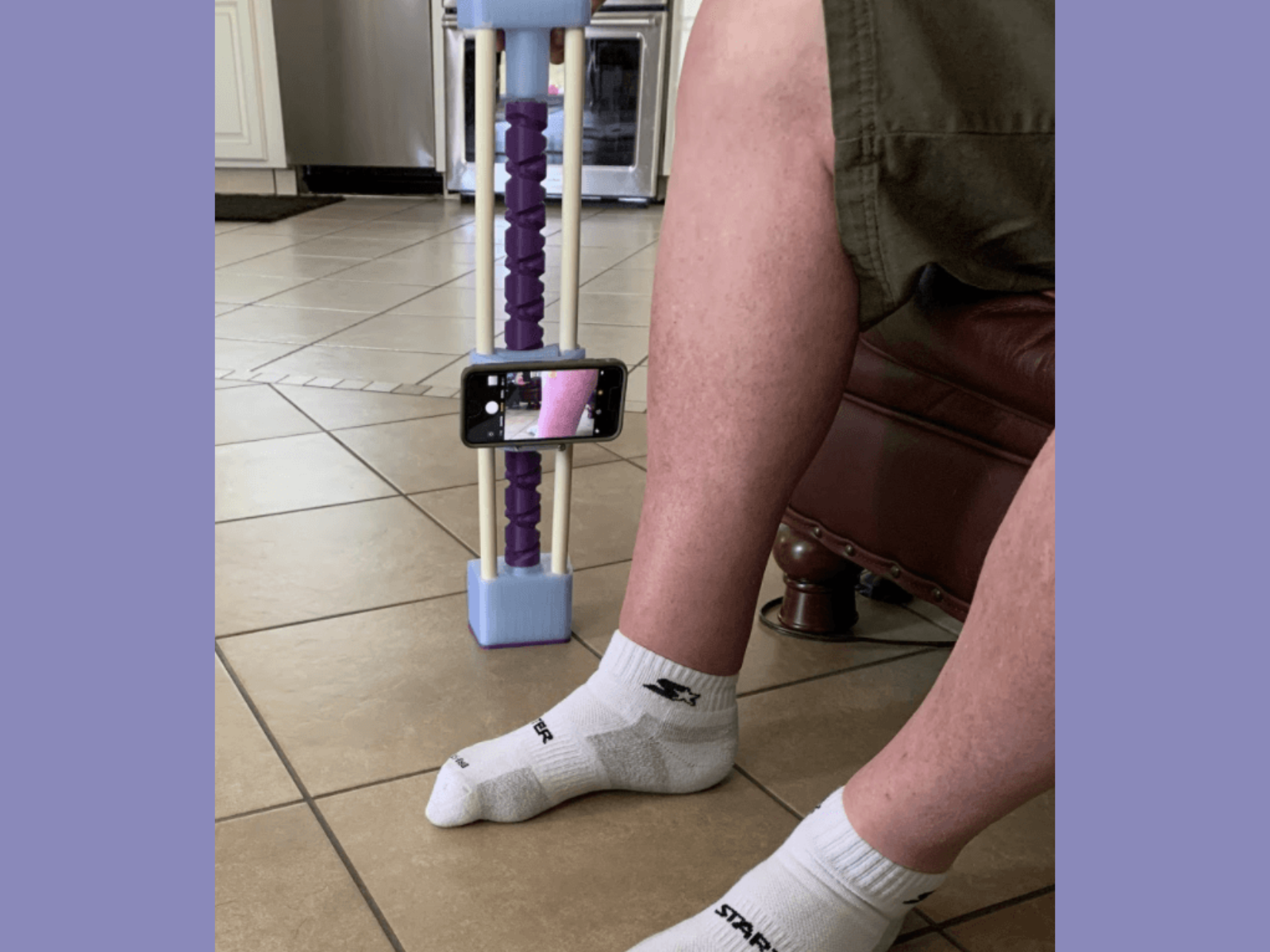
Filming Stand
During the pandemic, in-home care providers have relied on video visits to assess safety conditions and patient progress. Winners of the Innovation Award, the team designed software enhancements to simplify the VA Video Connect experience and a camera on rail device to allow providers to see the “big picture”.
-
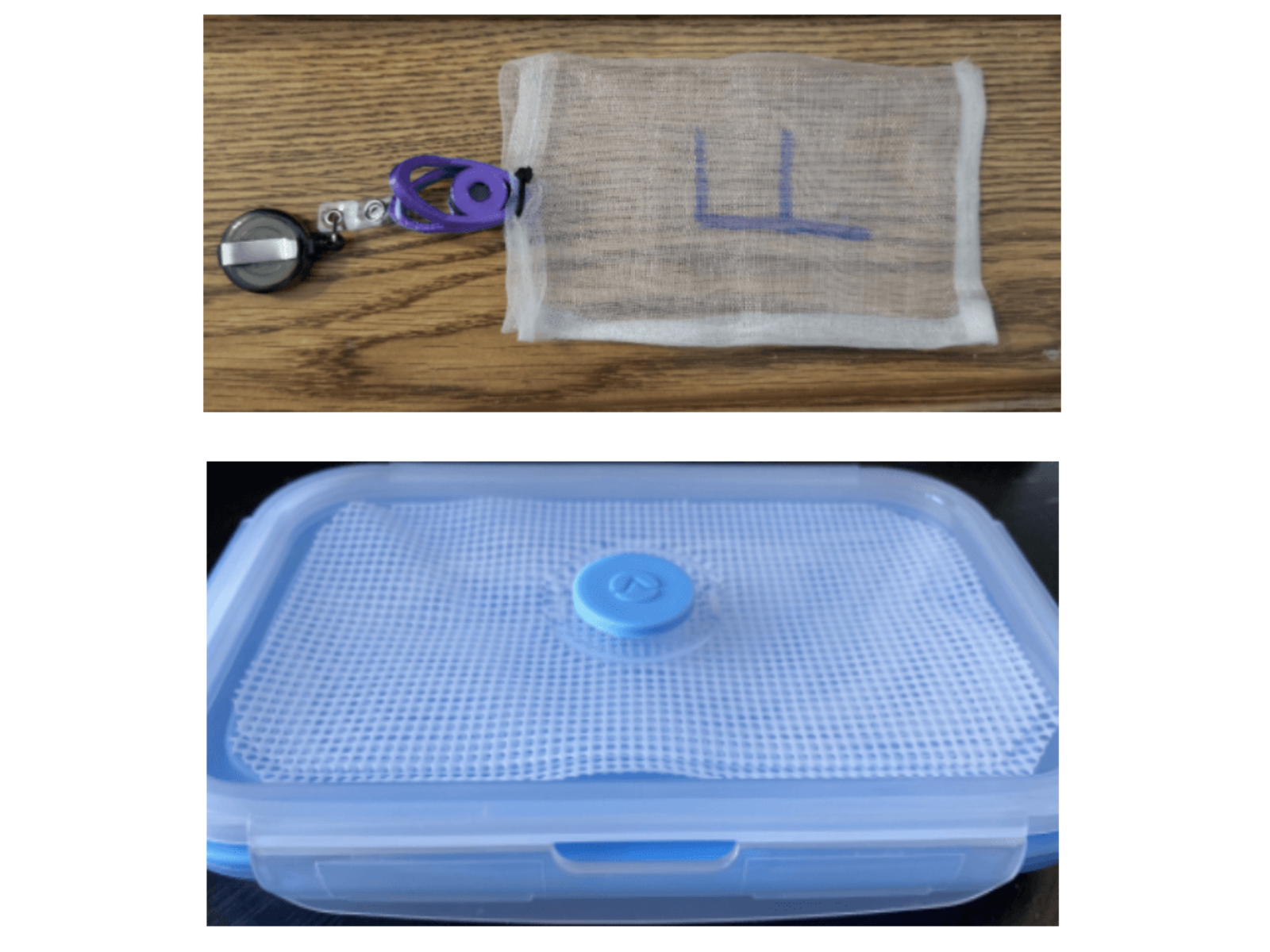
Mask Stash Bag & Sanitizing Container
Winners of the Business Value Award, Team Mask Stash designed both a nylon mesh case with a dirty and clean side for mask storage between use and a silicone collapsible case for in-place sanitization of N95 masks.
-
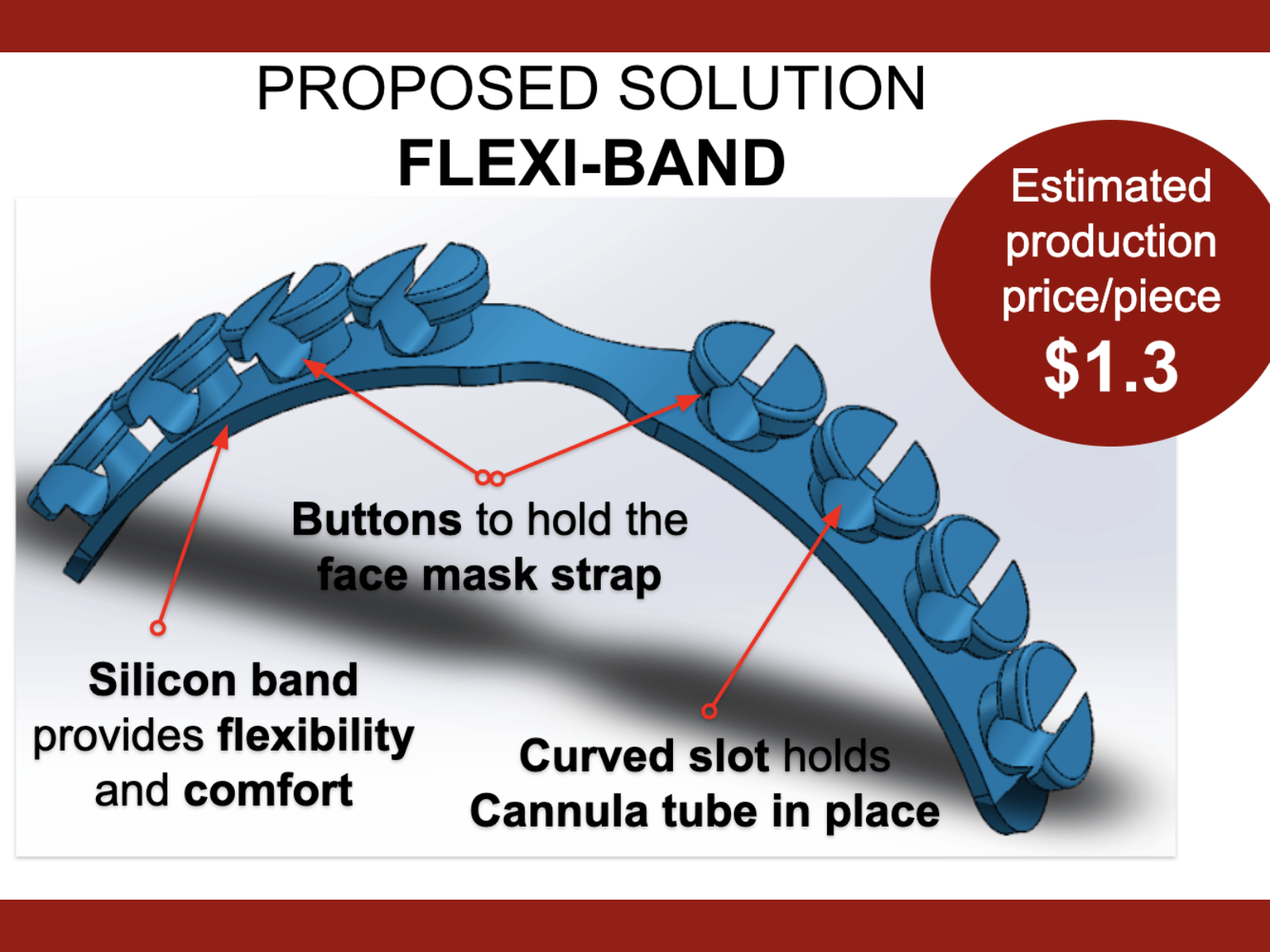
Flexi-Band
Winners of the User Experience Award, the team designed a 3D printed flexible band that goes behind the head and holds both the mask straps and nasal cannula up off the ears to prevent pressure-related injuries.
-
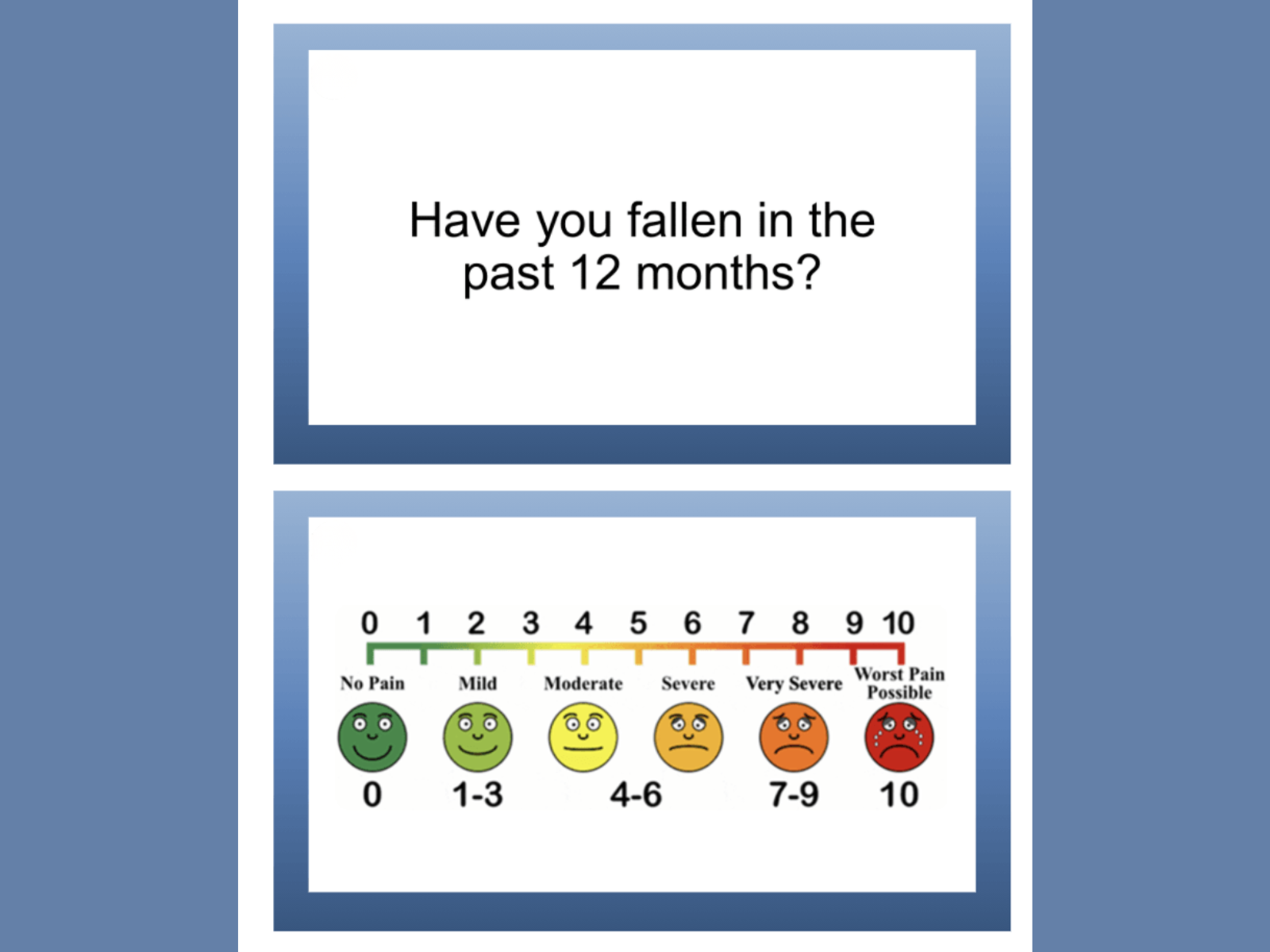
Mask Communication
To improve communication between providers and patients wearing masks, the team proposed an interactive application that uses customizable voice recordings and visual aids.
-
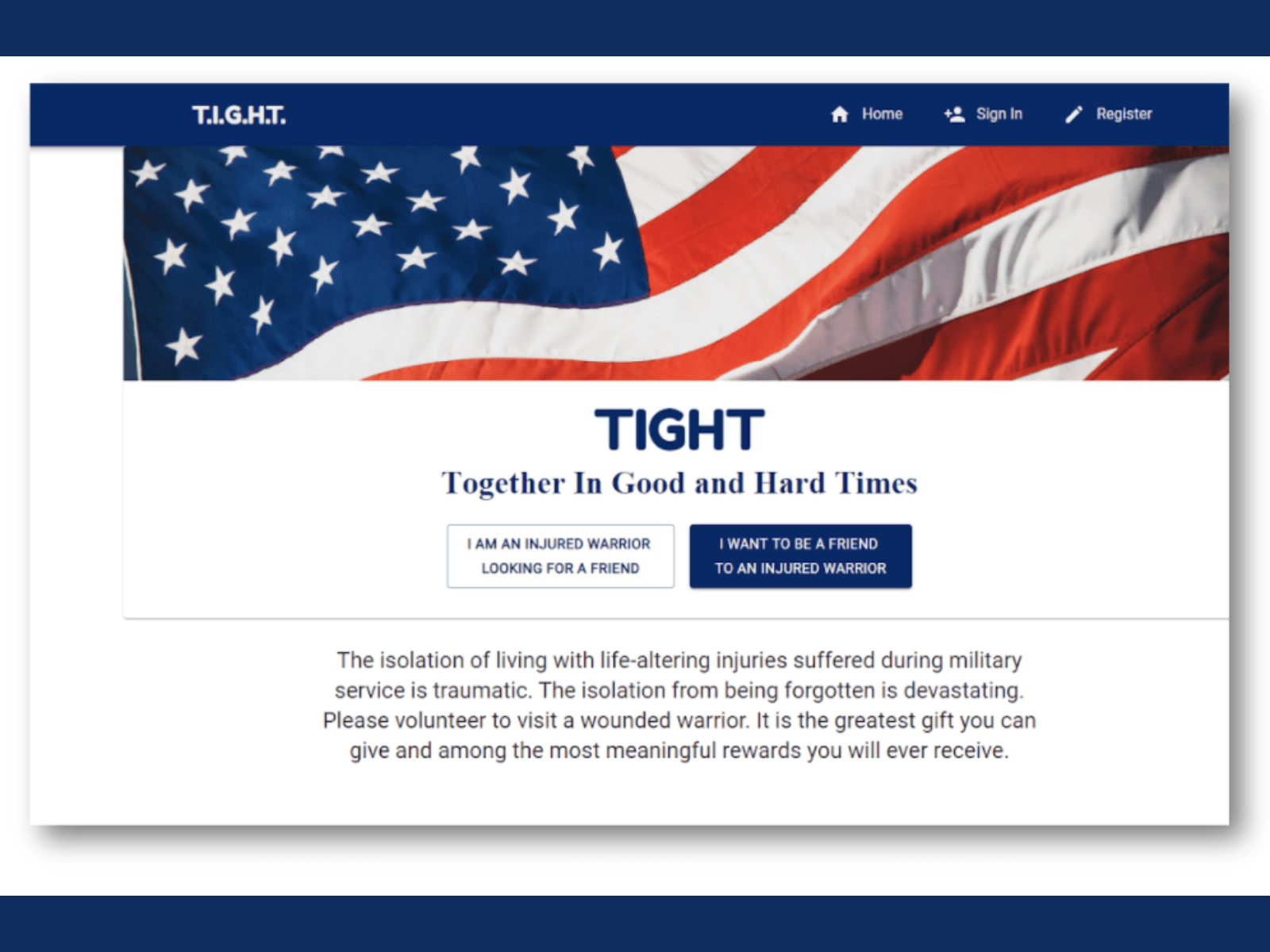
TIGHT App
The team developed the TIGHT (Together in Good and Hard Times) application to connect wounded warriors with Veteran volunteers to visit them regularly and make them feel less isolated.
-
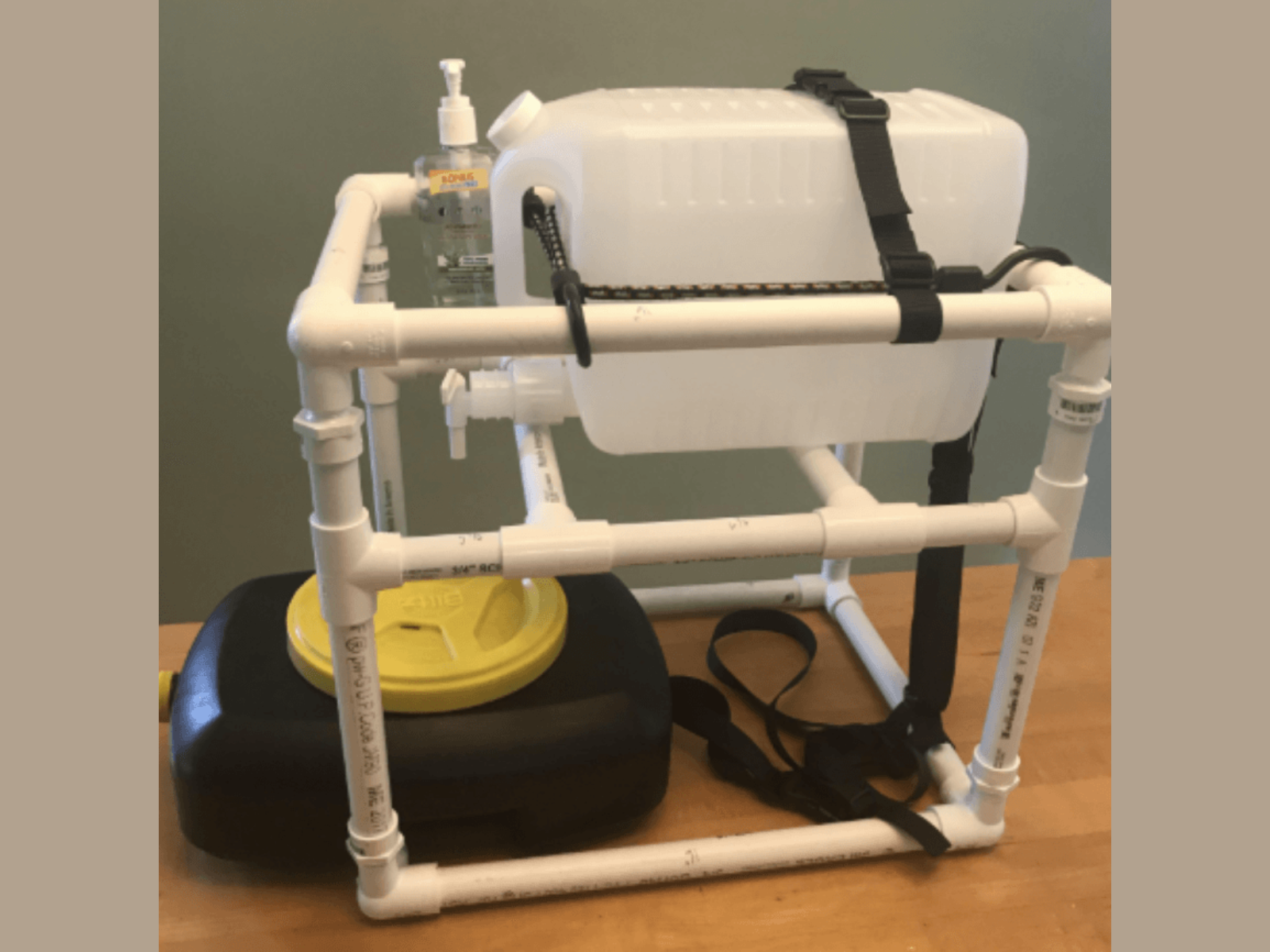
Mobile Hand-Washing System
Team Handwashing on the go developed a modular prototype of an in-vehicle hand washing station that stores clean water, used wastewater, and soap in order to protect in-home caregivers and their patients.
-
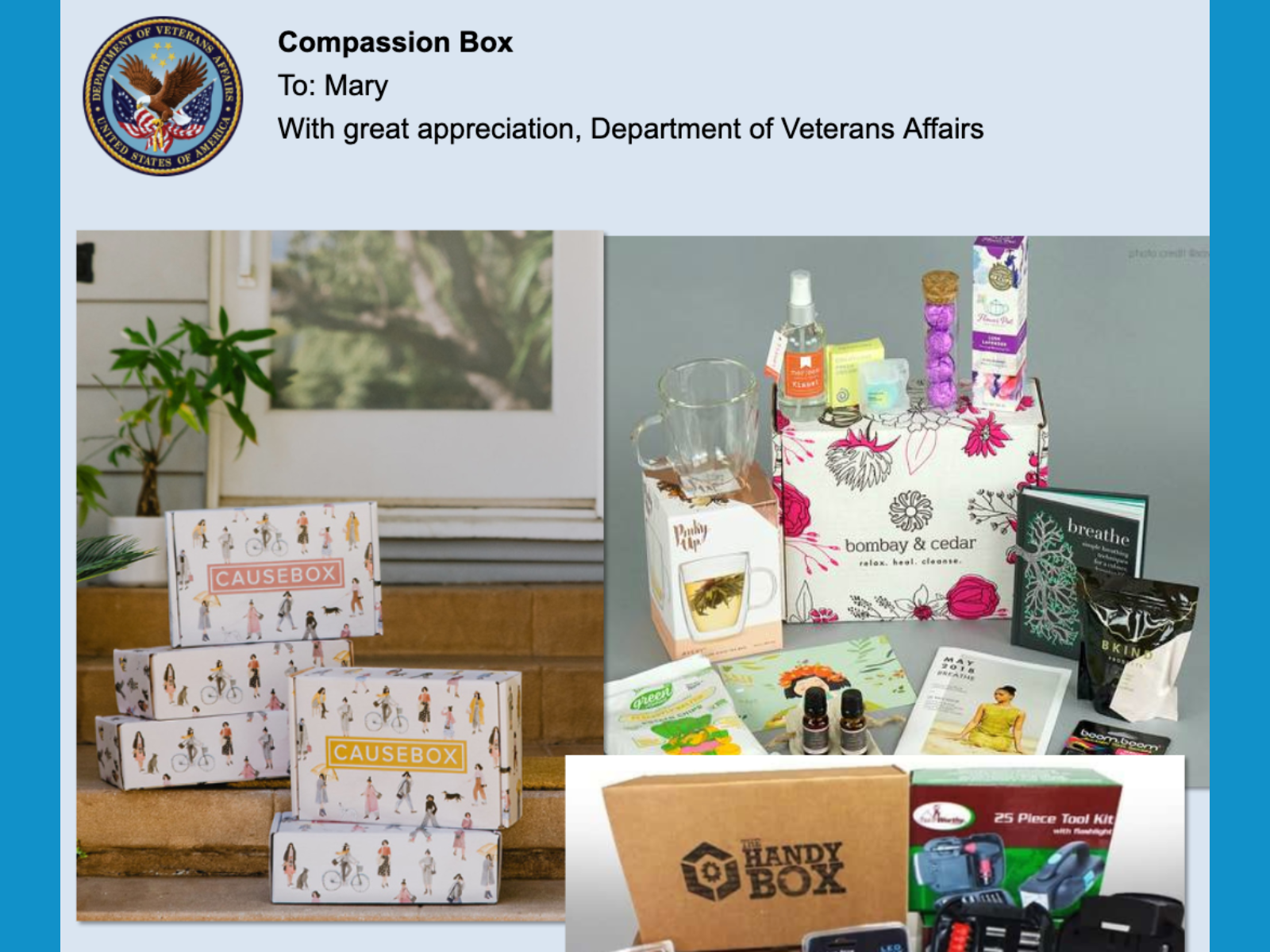
Caregiver Compassion Box
Addressing the isolation caregivers feel as a result of caring for our wounded warriors, the team proposed a Caregiver Compassion Box consisting of quality items that align with the caregiver’s interests.
-
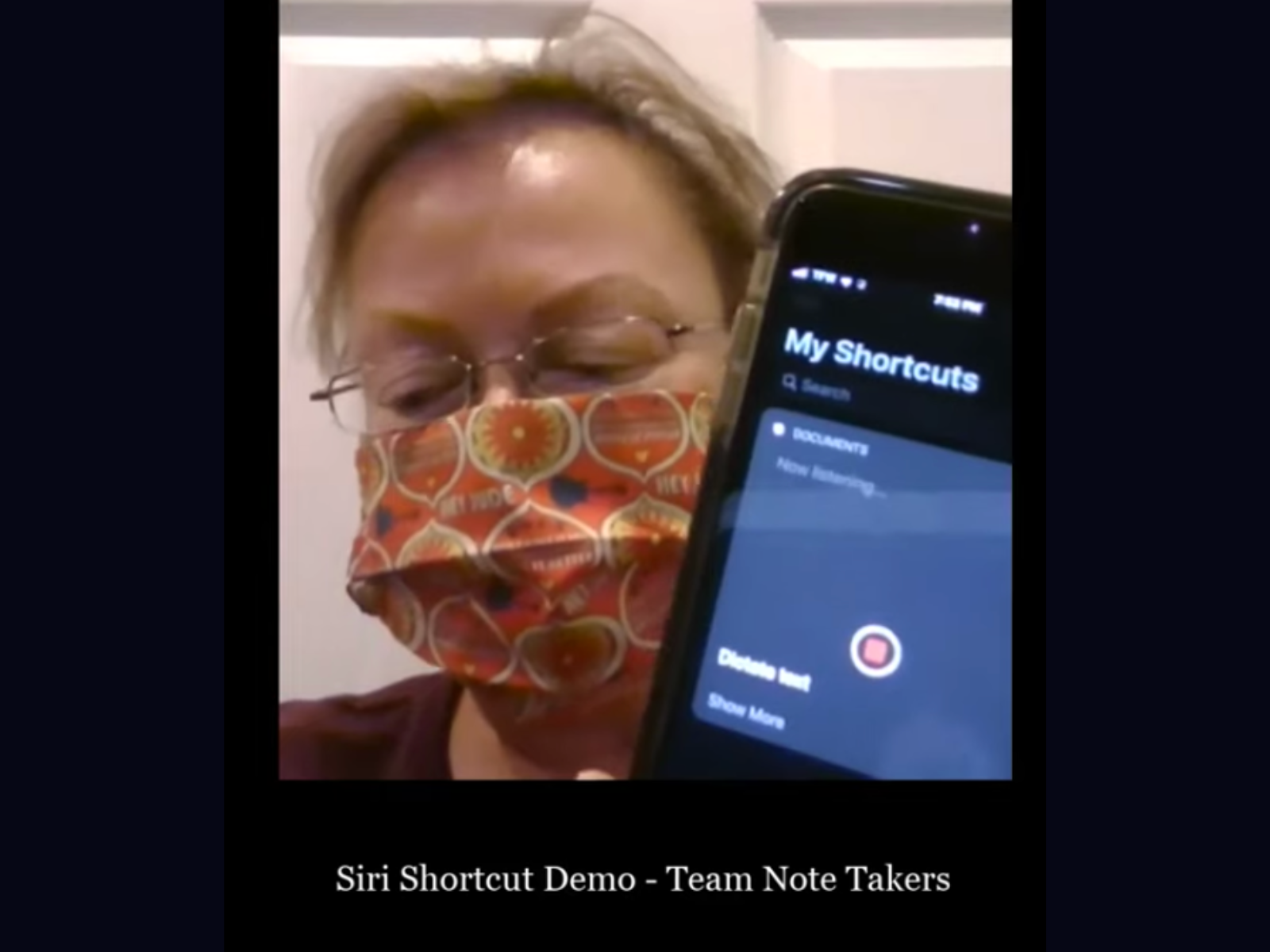
Siri Shortcuts for Home Visit Notes
The team developed a voice-to-text automated workflow for iPhones using the Siri Shortcuts application. This solution results in no typing, writing, or sanitizing multiple devices/tools.
-
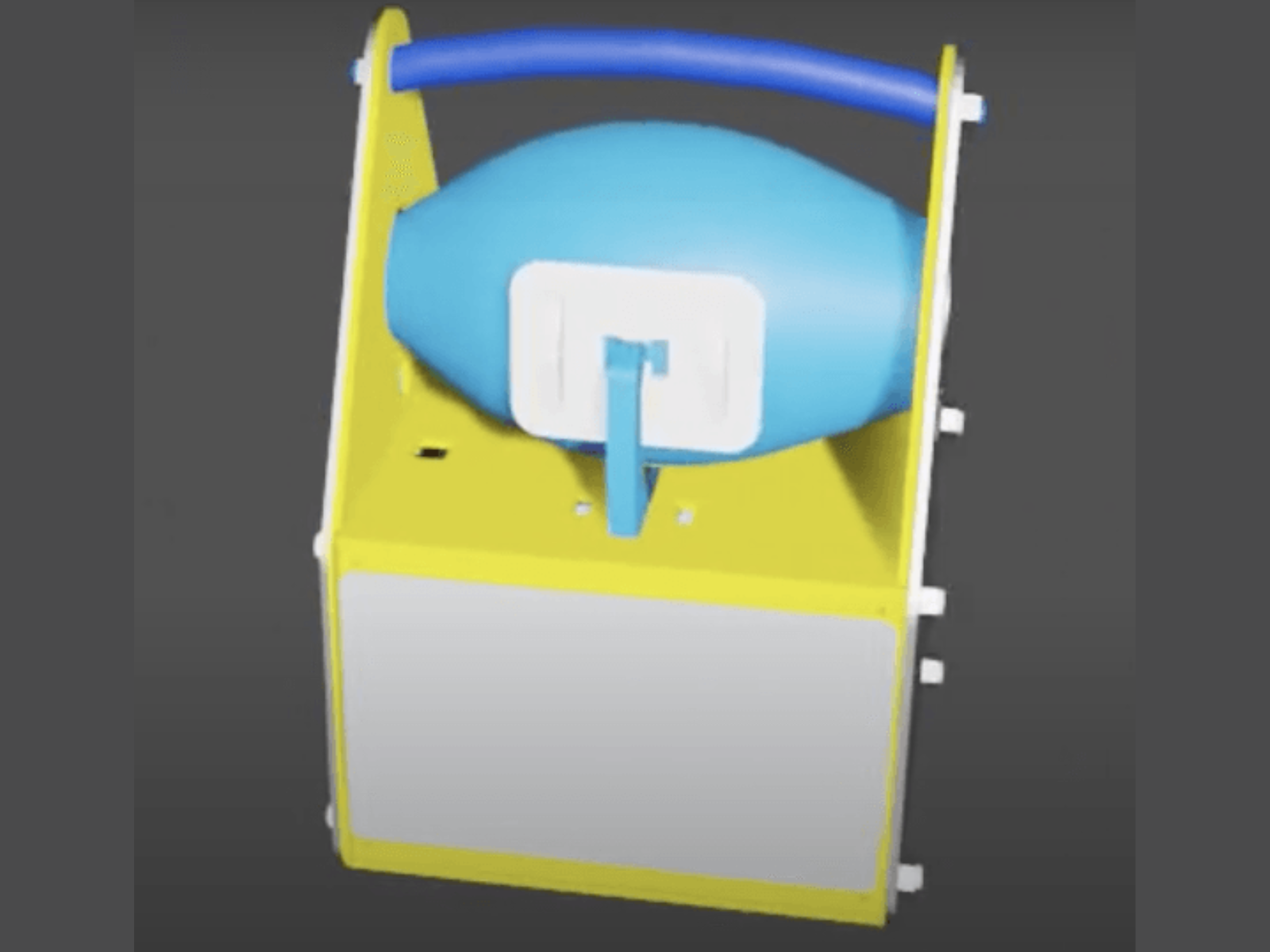
Pandemi 800 Ventilator
Winner of the iEX Design Award, PANDEMI VENT 800 is a $300 Open Source ventilator built using highly available commodity hardware, a novel low-cost sensor package, and 3D printed parts. It includes all basic features of a ventilator, in addition to a centralized monitoring station and a resuscitation automated assistance breathing mode.
-
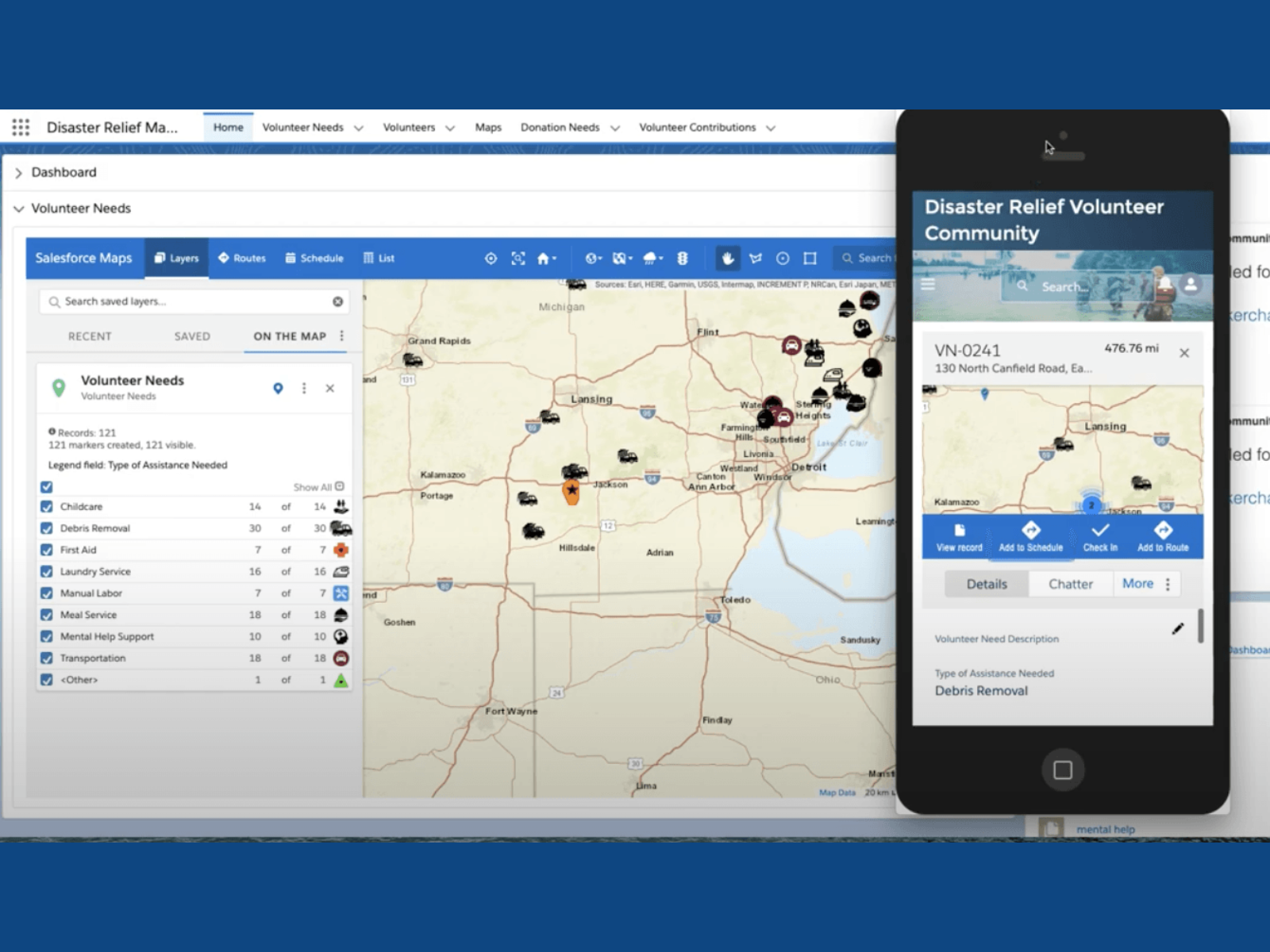
Mobile Site for Volunteer Management
Winners of the User Experience Award, The Acumen Solutions team designed a disaster relief management application to allow organizers to manage volunteers, donations, healthcare, and social media communications. It also features a community portal for volunteers to sign up to help.
-
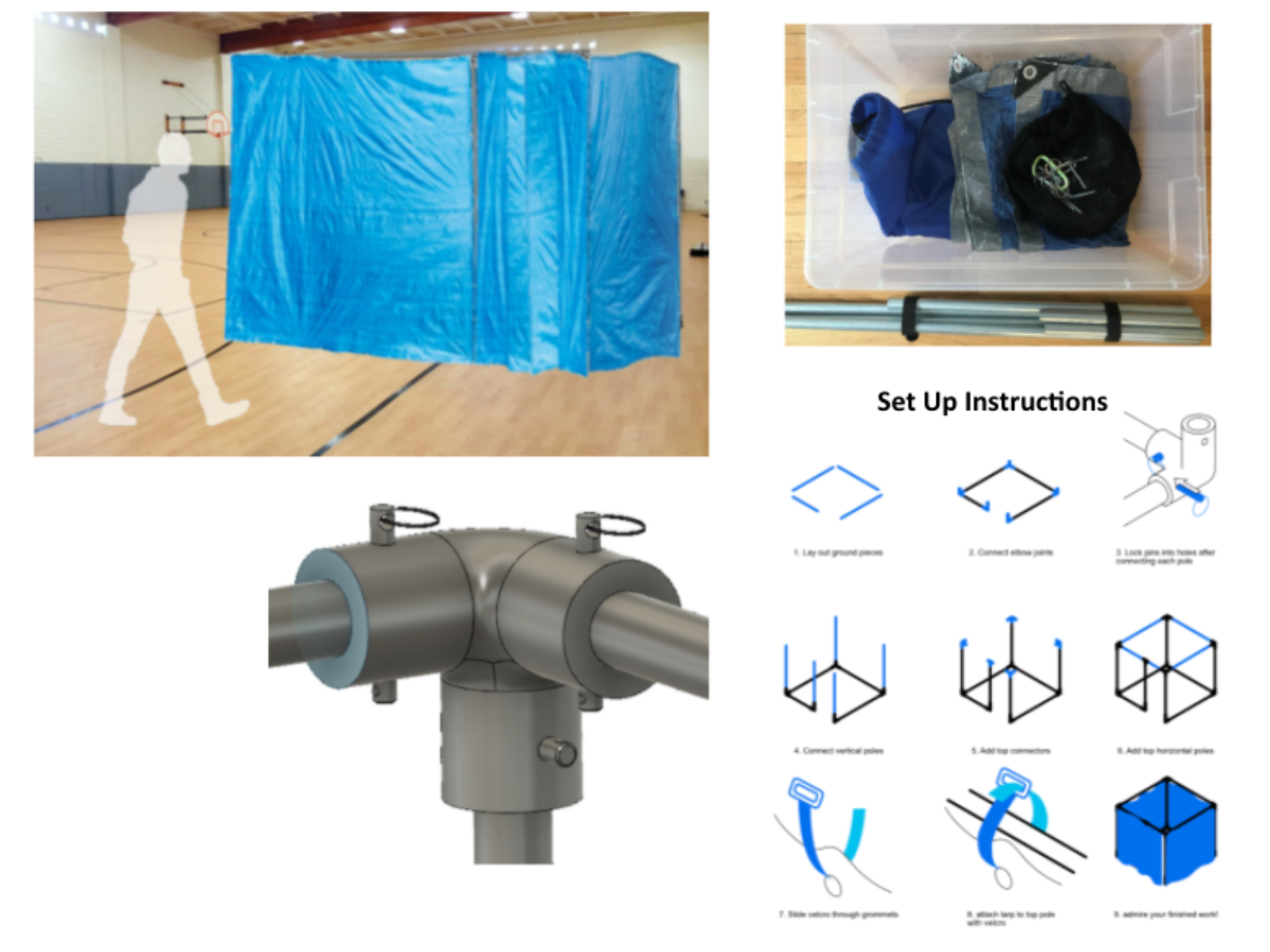
Modular Barriers & Mitigation Protocol
Winners of the Feasibility Award, Team Safe Haven II designed a physical prototype featuring a modular, easy-to-assemble barrier to create private spaces that are easy to sterilize. Their procedural solution featured check-in protocols and updated floor plans to facilitate distance, ventilation, and user movement.
-
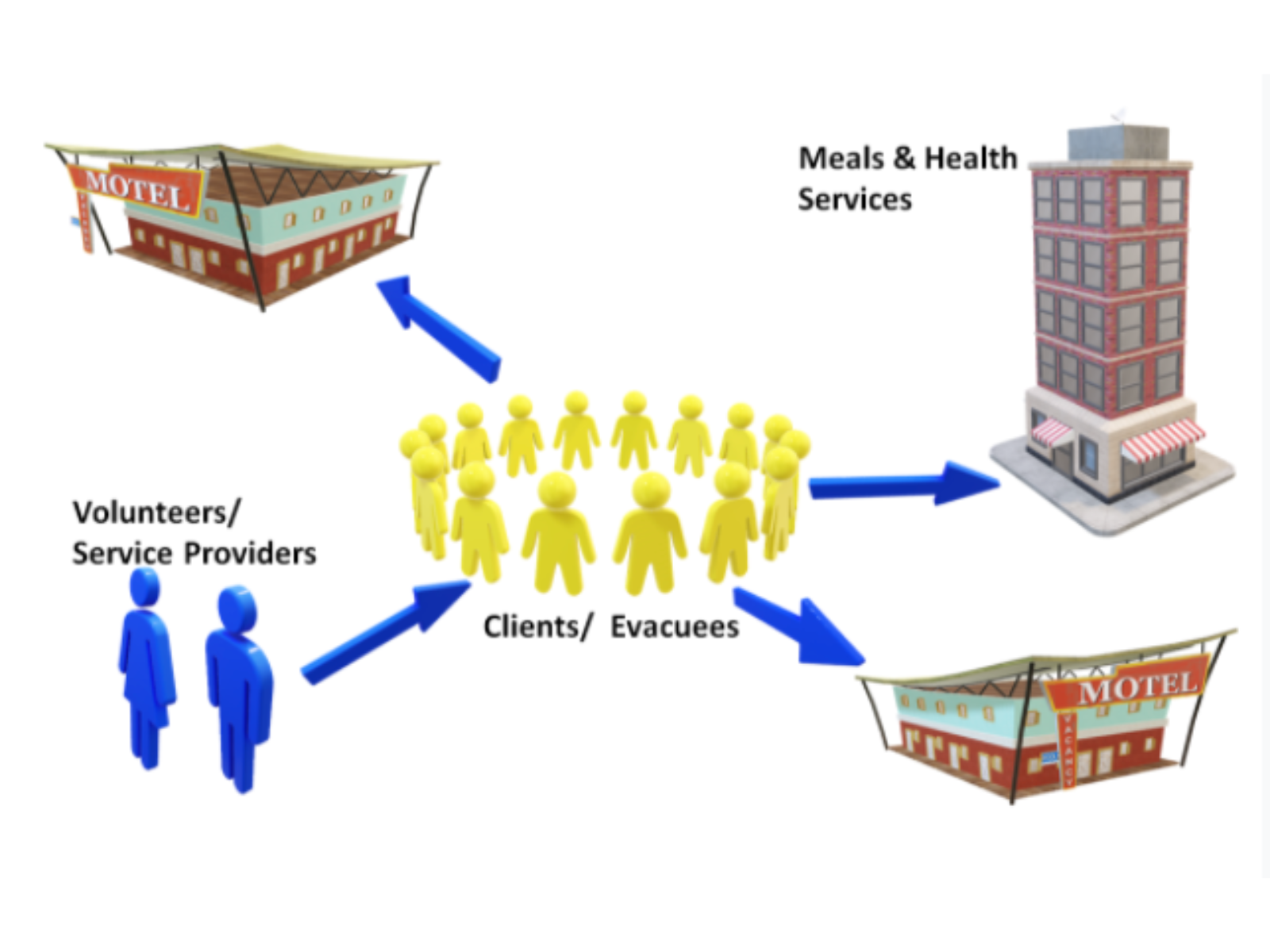
Aid Station
Winners of the Business Value Award, Team Aid Station, a collaborative effort between companies Medi-Code and InstaMD, worked on a mulit-interface application that would allow the Red Cross to replace their Excel spreadsheets to more efficiently coordinate volunteers, service providers, and clients (evacuees) in one place.
-
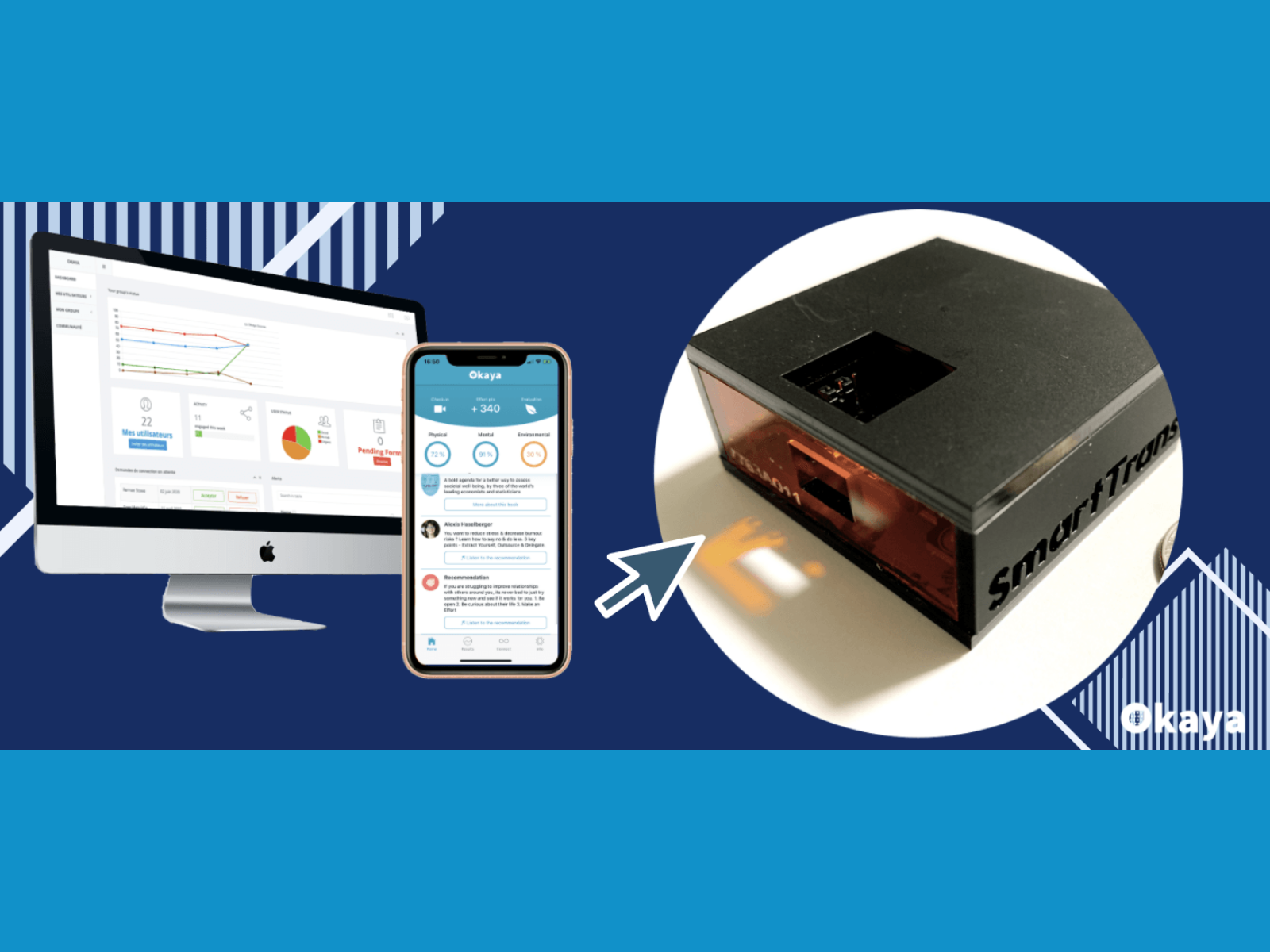
Okaya
Winners of the Innovation Award, the Okaya digital assistant application allows disaster relief managers to monitor the mental state of first responders and workers in the field. Depending on their state, it also recommends mental health resources to first responders and inhabitants tailored to their particular needs. The application can function with or without connectivity.
-
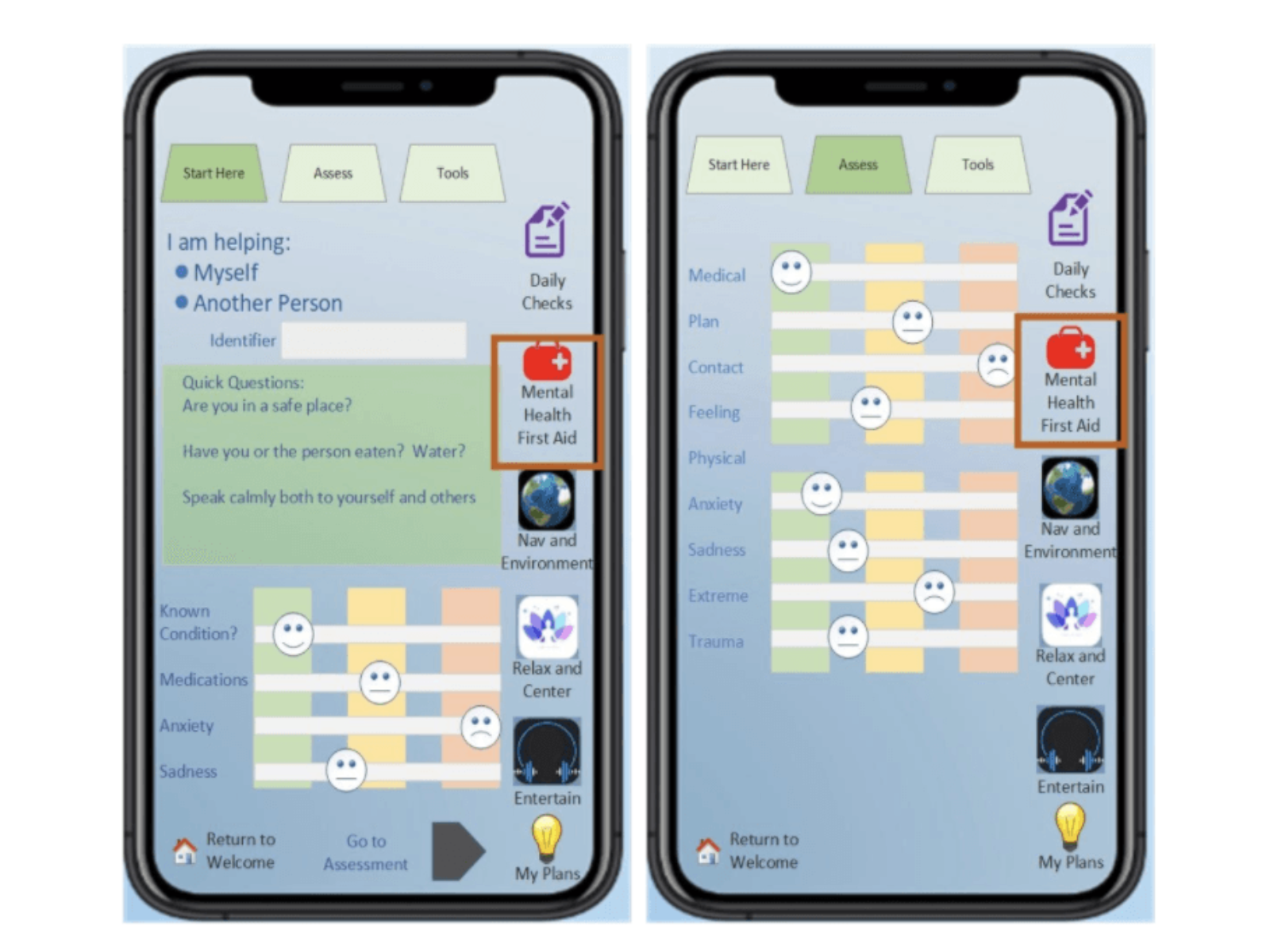
Mental Health Toolkit App
Team Mental Toolkit designed a mental health application that allows responders to enter and customize their own wellbeing plan, reminders, and tools to support them before, during and after an incident. It also helps them to monitor and effectively assist someone in crisis.
-
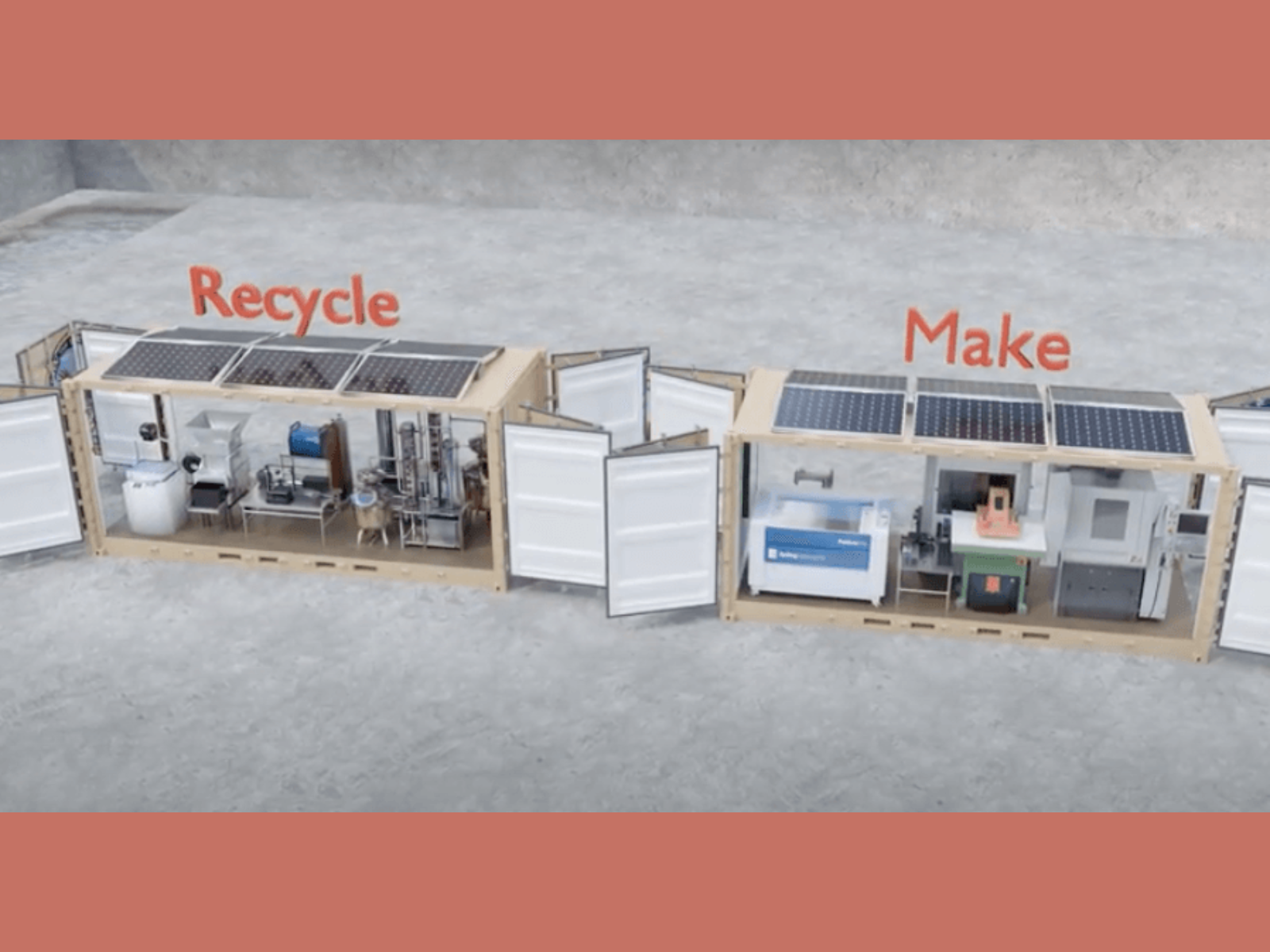
Configurable Micro-Factory
Utilizing shipping containers, the micro-factory is a transportable manufacturing (and recycling) system that can be delivered to disaster zones to provide the tools, technology, and machinery needed to make, repair and recycle critical items on site from accessible raw materials.
-
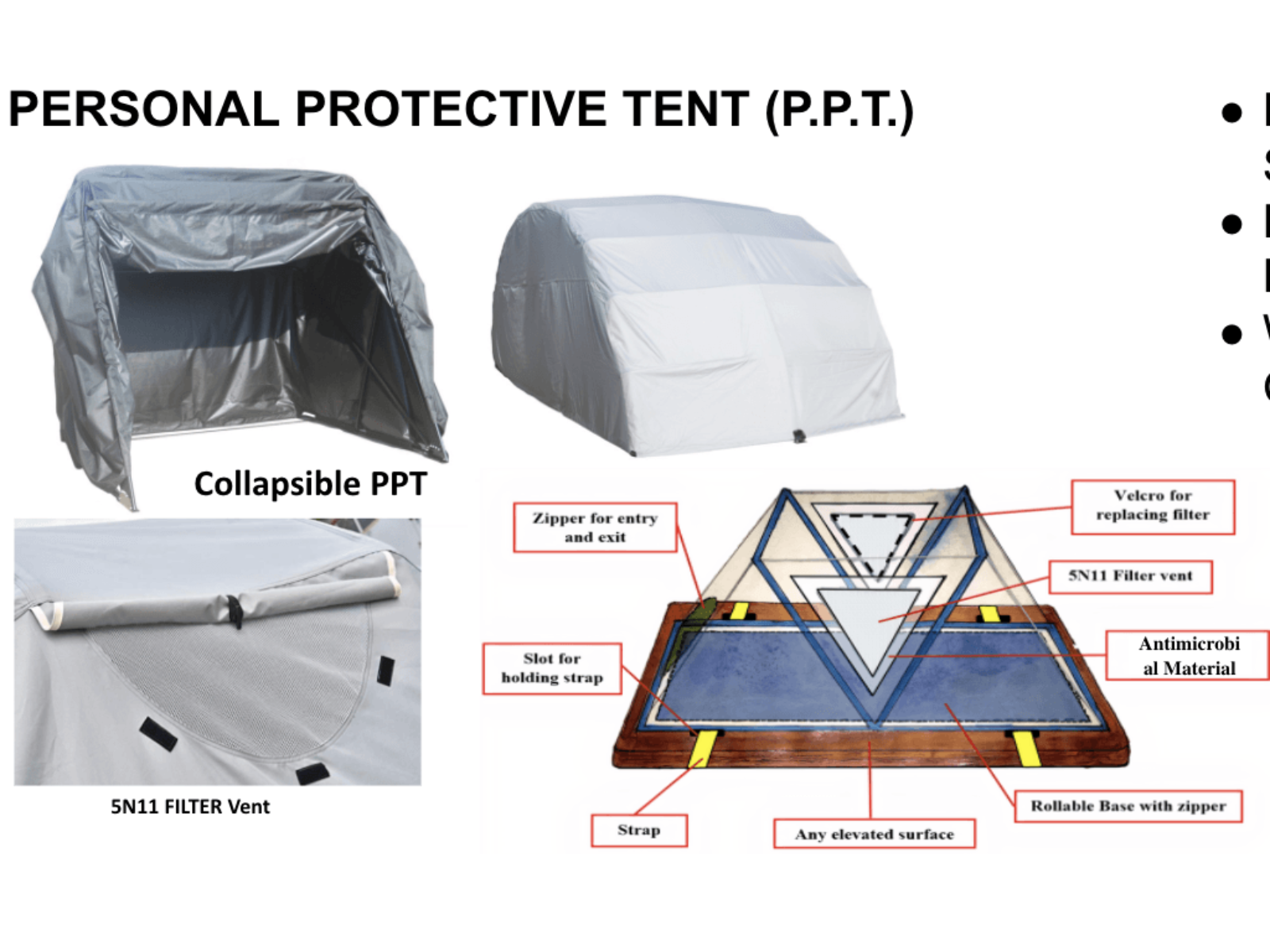
Personal Protective Tent & Biocence Mist
Team Tent Dividers devised a multi-stage approach to protect all personnel and equipment by 1) misting FDA approved BIOCENCE on all hard and soft surfaces and 2) providing modular personal protective tents with a replaceable filter system and made of antimicrobial materials.
-
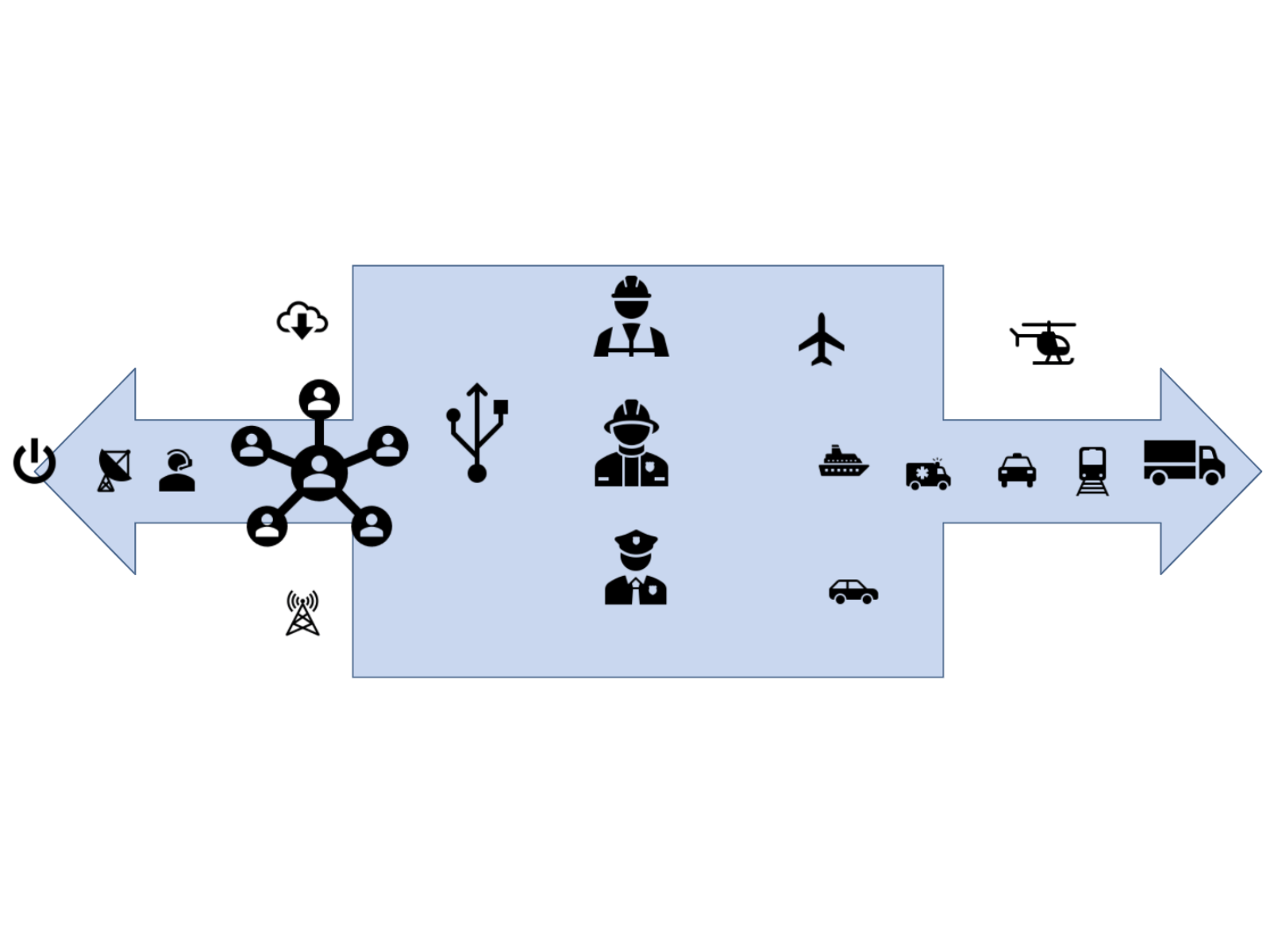
Transportation Logistics Coordination Site
The team proposed a centralized communication and coordination system to aggregate needs and optimize transportation across multiple disaster relief agencies and organizations. The solution builds on Auxilia to identify what organizations need on the ground, adding a new application for fulfillment, tracking, and prioritization.
-
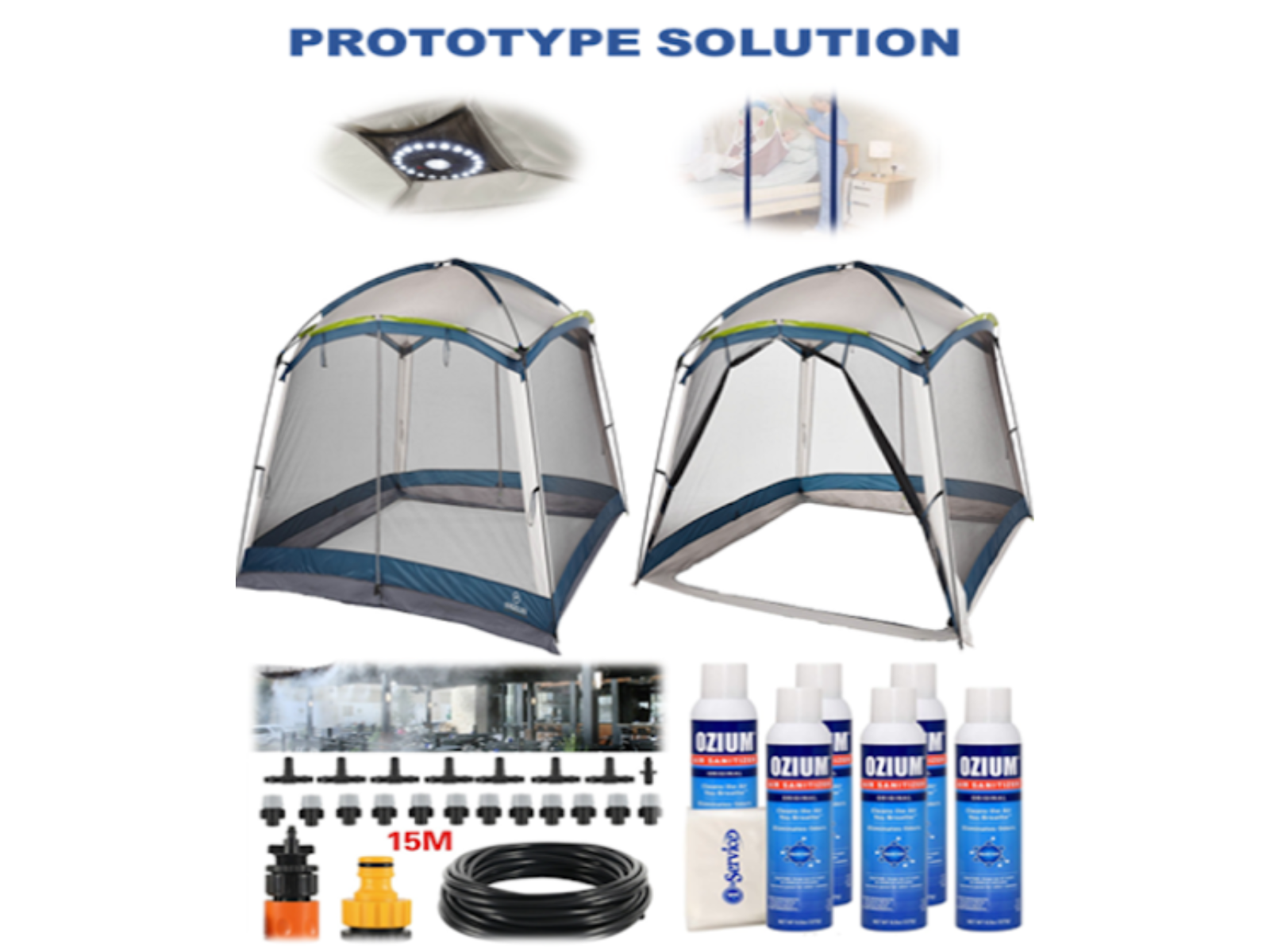
Tent & Disinfection Protocols
In order to mitigate the risks of COVID-19 spread in a congregate shelter for evacuees, the team - composed of all women Veterans and one military spouse - explored different options for physical barriers, check-in, and sanitization. Their multifaceted solution included equipment maintenance, client check-in guidelines, tent assignments and rules, and facility engagement procedures.
-
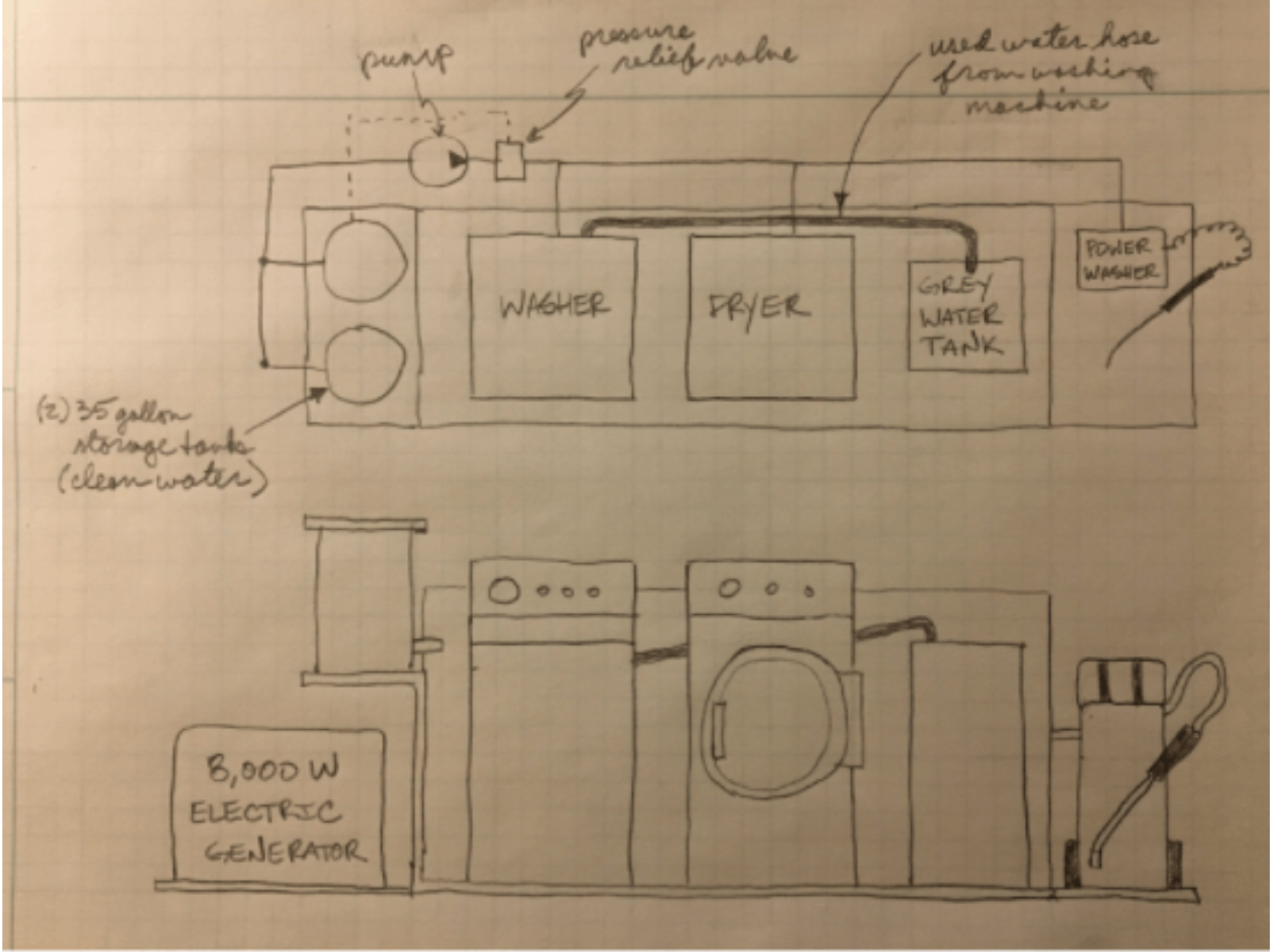
Mobile, Stand-Alone Laundry System
The team endeavored to design a mobile, compact, stand-alone laundry system that can be used during disaster relief efforts. The system can be transported easily on a trailer and contains its own water supply (fresh water storage tanks), own grey water container (storage tank), and own power supply (8000W gasoline generator).
Support COVID-19 & future Maker Challenges
Help us share these amazing innovations
Your support will directly assist the maker teams in their efforts to refine these designs to commercialize their products, making it possible to share them with the essential workers who so desperately need them. Please give today!
Our Parters & Sponsors